und Wörterbuch
des Klassischen Maya



Ruminations About the Moon Variant for Number 20 and a Rare Variant of Glyph D of the Lunar Series
Research Note 33
November 6, 2025
DOI: https://doi.org/10.20376/IDIOM-23665556.25.rn033.en
Nikolai Grube
(Rheinische Friedrich-Wilhelms-Universität, Bonn)
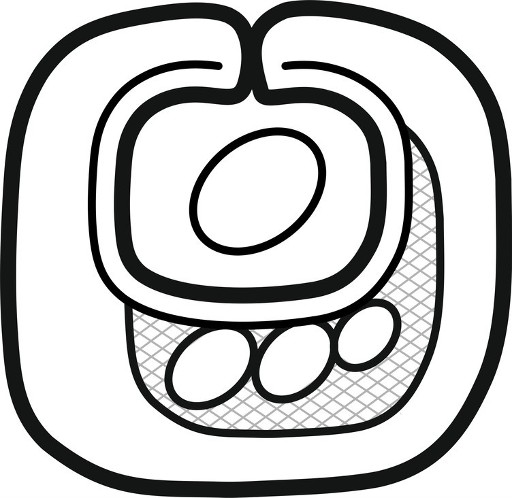
Sign 1578 has long been recognized as a logogram with the numerical value of 20[1] (Figure 1a). Its use in this function was already identified in Distance Numbers in the Dresden Codex (Thomas 1888: 348; Förstemann 1904). John Teeple later recognized the sign in the Lunar Series, where it must carry the same numerical value, and where, in combination with the following numbers 9 or 10, it indicates the duration of the respective lunation (Teeple 1925). Subsequently, many additional contexts of Sign 1578 were identified, all confirming its role as a numeral for the value 20.
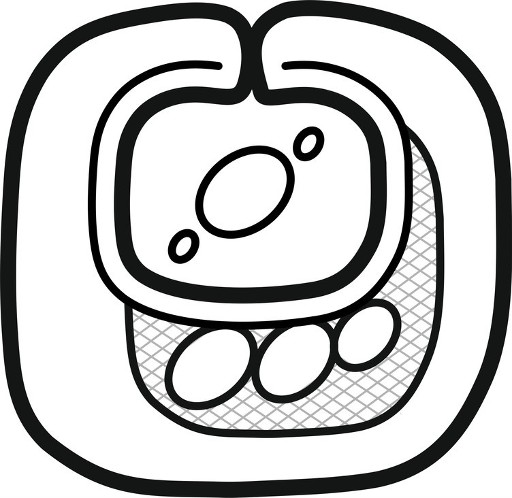
In a detailed discussion of Maya numerology, Stuart (2012: 502-508) concluded that Sign 1578 - commonly referred to as the “moon sign” (e.g. Thompson 1950: 33) because of its iconographic similarity to the Sign 181 (Figure 1b) - is used almost exclusively for counts between 20 and 39, whereas for the counting of larger units, multiples of the sign WINAL were employed. In other words, one term for 20 was evidently “first score,” while a different word was used for subsequent vigesimal counts.
 |
 |
| a | b |
| Figure 1. (a) Graph 1578st; (b) Graph 181bh (drawings by Christian M. Prager, in Prager et al. 2025). | |
Several readings of the moon-variant Sign 1578 for the number 20 have been proposed. Victoria Bricker (1986: 101) suggested reading the sign as WINAK, the word for “20”, based on Proto-Maya *juun winaq (Kaufman 2003: 1495), reflexes of which are found predominantly in the Eastern Mayan languages and Waxtekan.
Indeed, Sign 1578 appears in at least 25 cases, in diverse contexts, combined with the syllabogram ki as a suffix, which strongly supports the reading of the logogram as WINAAK[2]
Other authors have proposed the reading K’AL, a word that likewise means “20” in many Mayan languages, including Ch’ol (junc’al “veinte”, Aulie and Aulie 1978: 69), and Chorti (-k’ar “clasificador numeral para contar un veinte de algo”, Hull 2016: 222), and reconstructed as *=k’al “postpound, veintena” in proto-Ch’olan (Kaufman and Norman 1984: 138). In most Mayan languages there are different terms for 20. In Kaqchikel, for example, winäq is used for counting people and periods of time, while k’al is applied to the counting of things (McKenna Brown et al. 2006: 162). Similarly, Yucatec distinguishes between jun k’al as the general word for 20, while winal refers specifically to the twenty days of a Haab month, and winik is a unit for the count of twenty units for measuring the sides of a milpa (Barrera Vásquez 1980: 923). The word k’al is in fact documented in the hieroglyphic script, appearing in an explicit syllabic spelling 5-k’a-la for ho’ k’al “100” on Naranjo Stela 32 (LeFort and Wald 1995; Stuart 2012: 506). However, there is no clear evidence that Sign 1578 was ever read as K’AL. Stuart acknowledges the possibility that the sign may have been polyvalent for WINAAK and K’AL, but the frequent presence of ki suffixes, and the absence of la suffixes expected in a K’AL reading, argue against this.
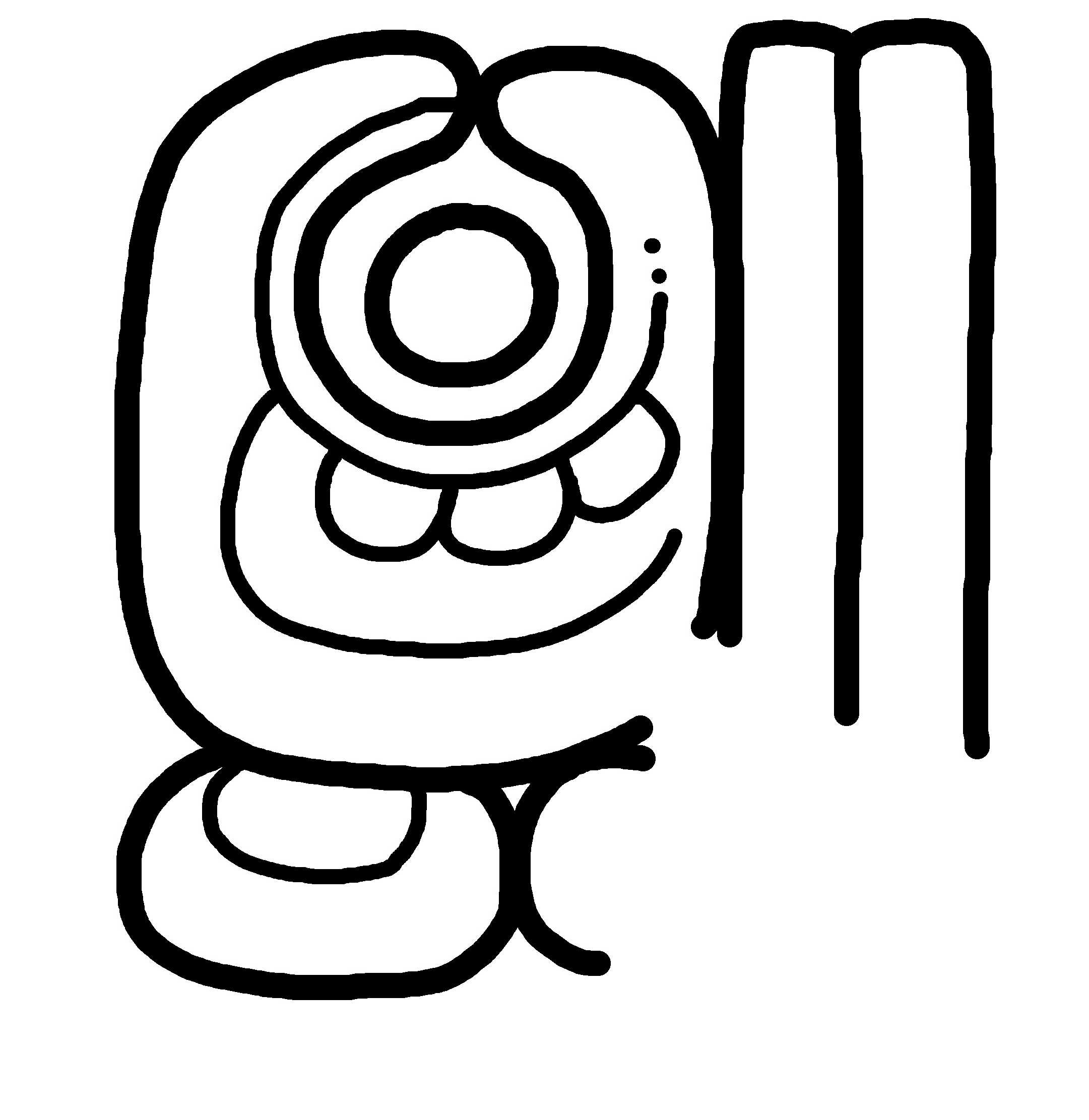
In this short essay, however, I want to focus on another phenomenon: the frequent presence of the syllabogram wa beneath Sign 1578. The syllabogram wa occurs with 1578 in several contexts:
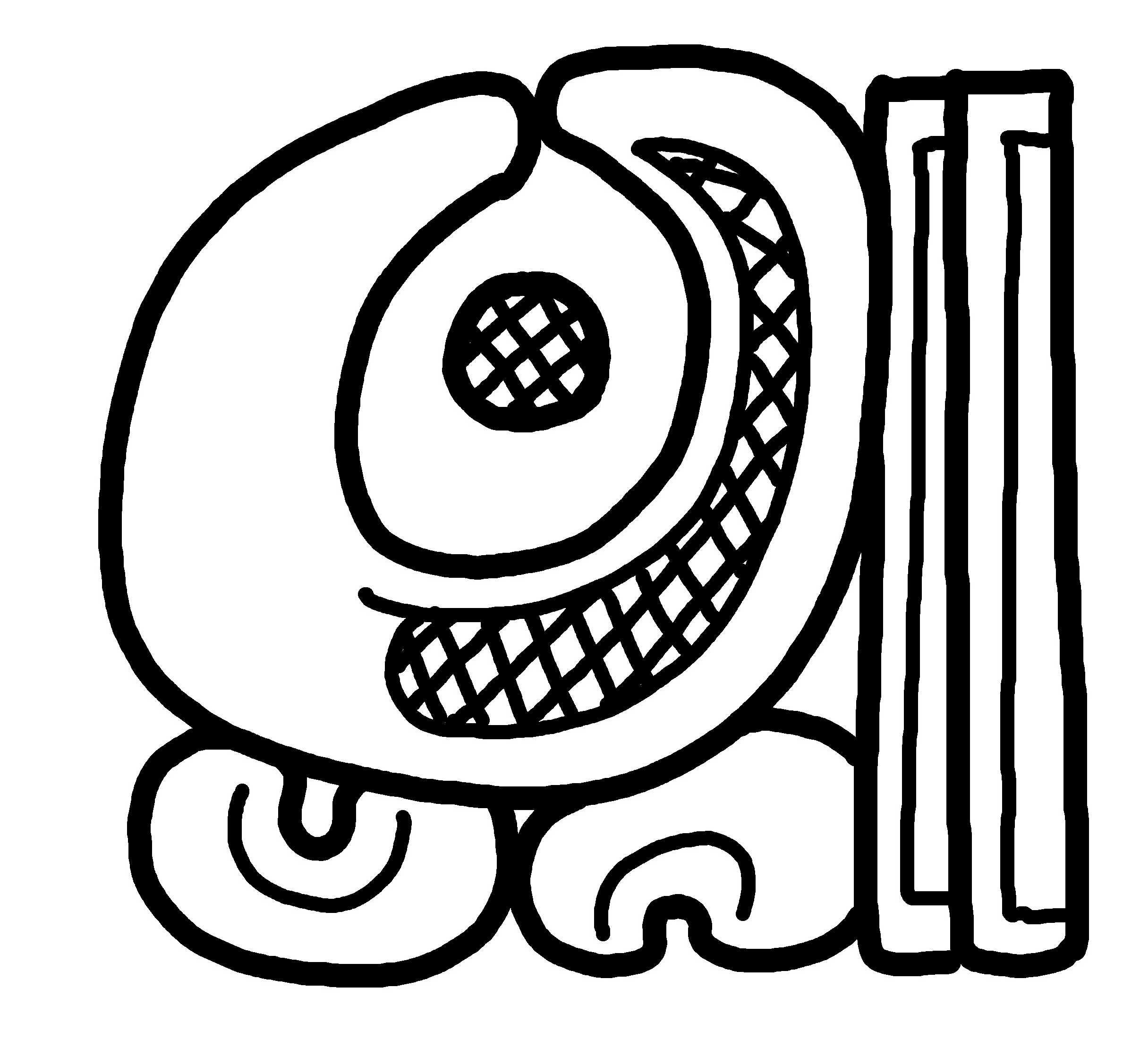
| 1. In Glyph A of the Lunar Series | 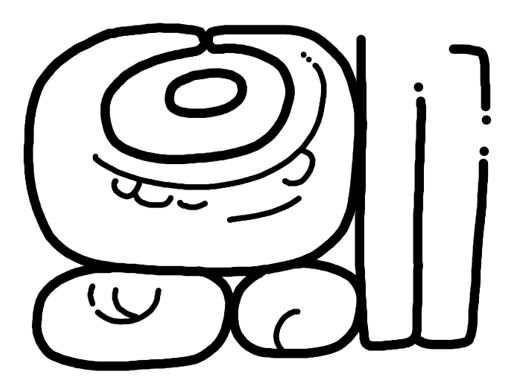 |
 |
 |
| a | b | c | |
| Figure 2. Glyph A of the Lunar Series 1578-wa in the context of Glyph A of the Lunar Series. (a) Itzan, Stela 17; (b) Zapote Bobal, Stela 1; (c) La Corona, Panel 1[3]. | |||
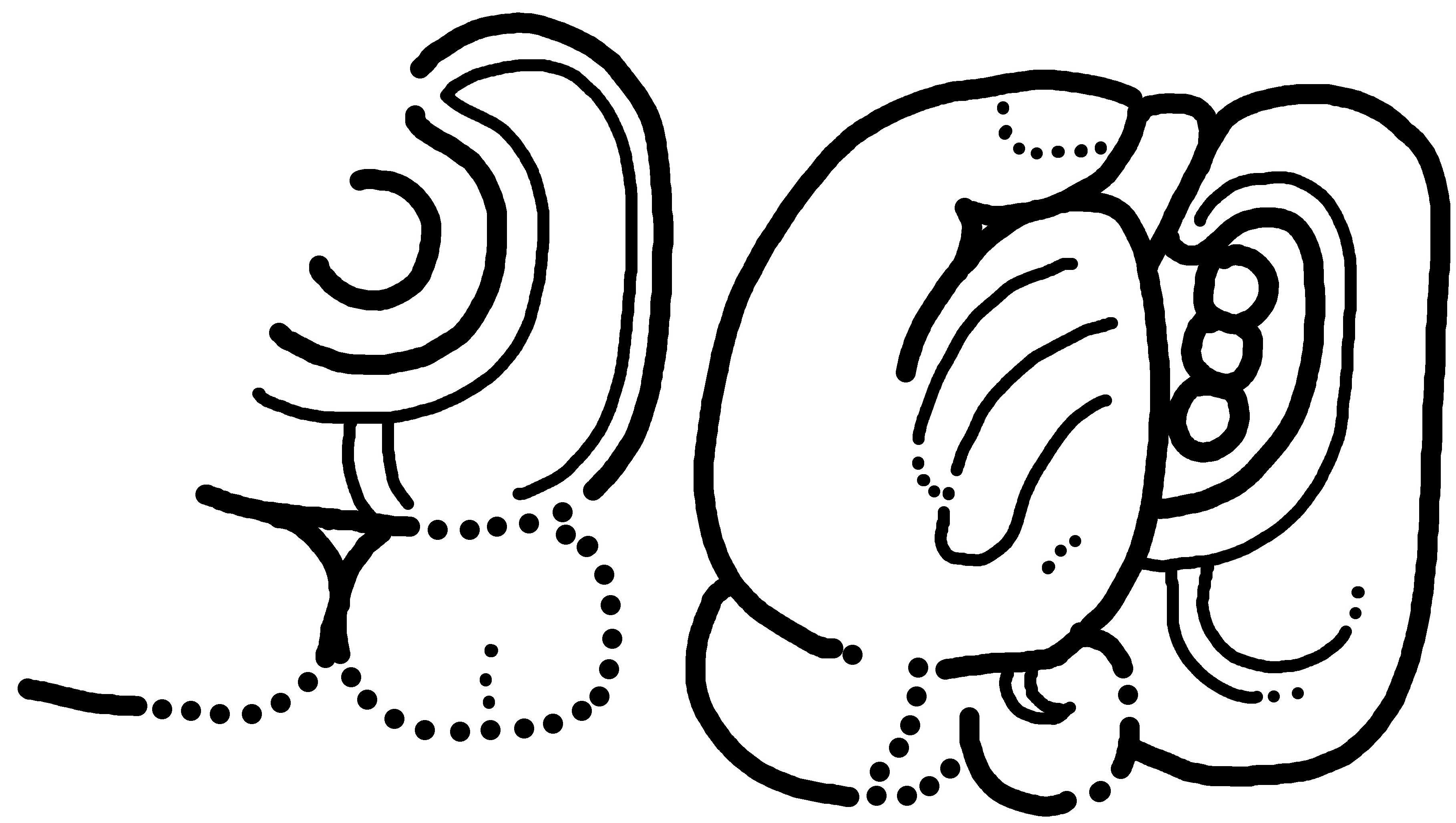
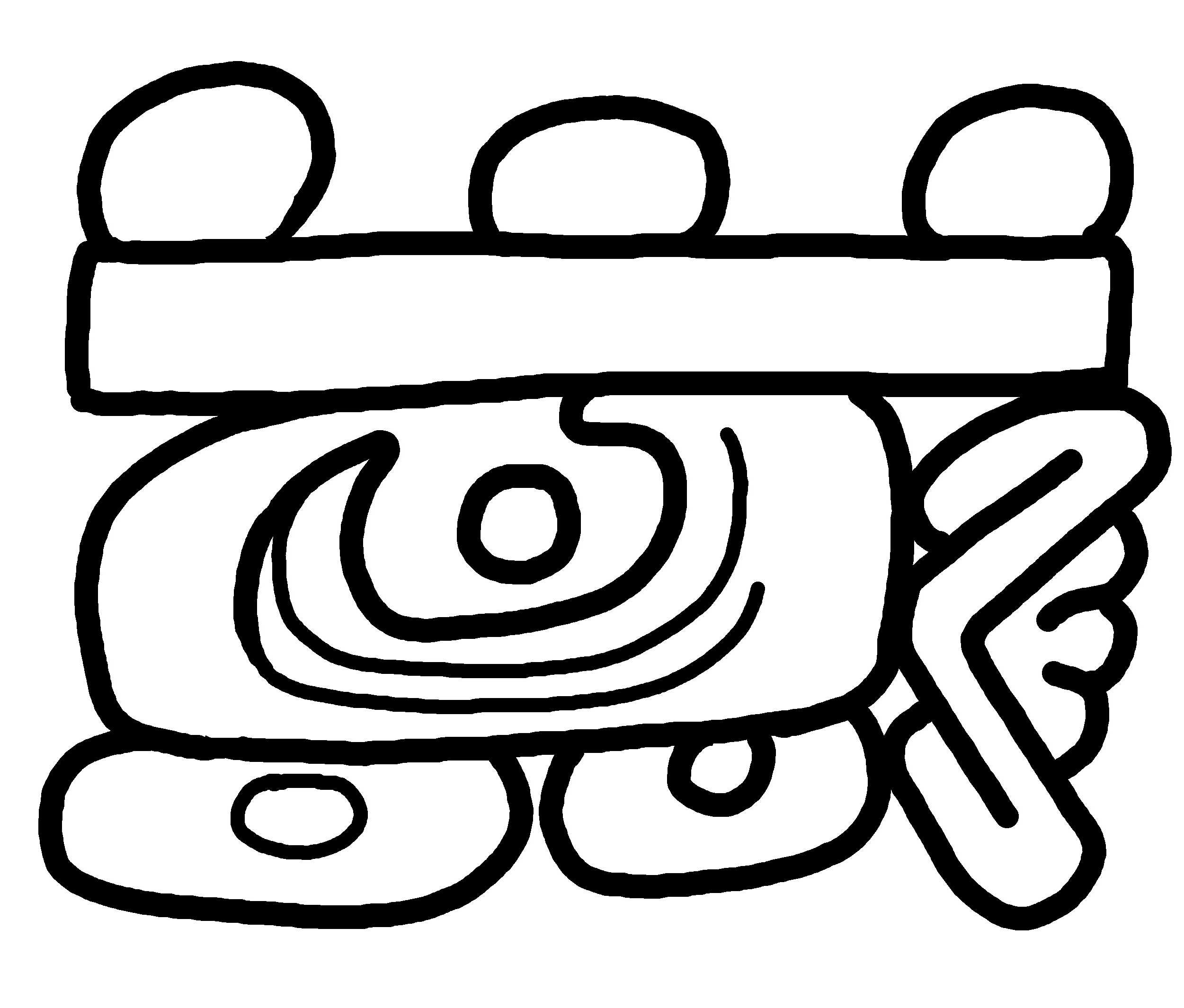
| 2. In Glyph D of the Lunar Series, again consistently marking the numeral 20 | 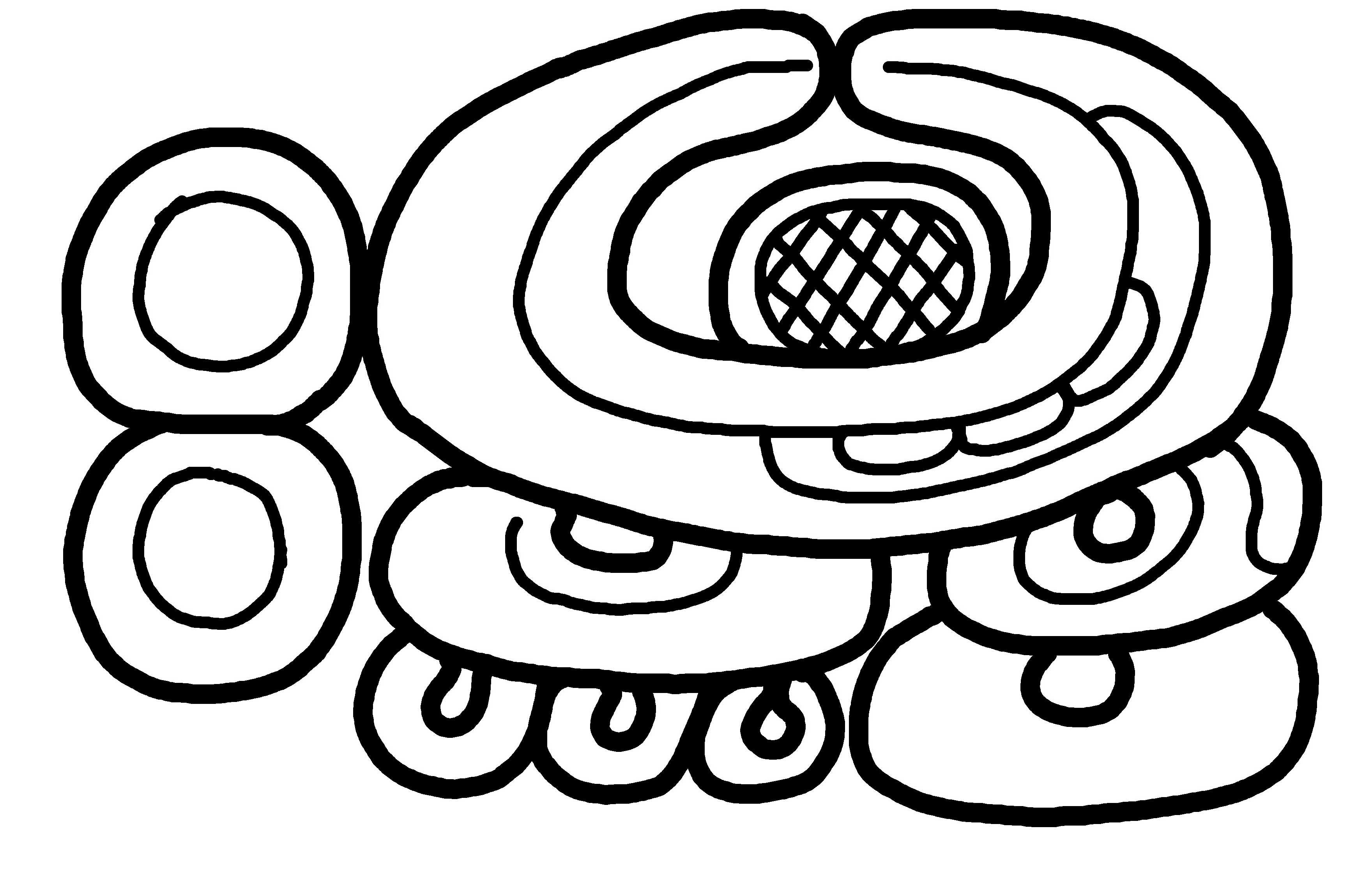 |
 |
 |
| a | b | c | |
| Figure 3. 1578-wa in the context of Glyph D of the Lunar Series. (a) Pomona, Panel 5; (b) Copan, Stela 20; (c) Tikal, Marcador. | |||
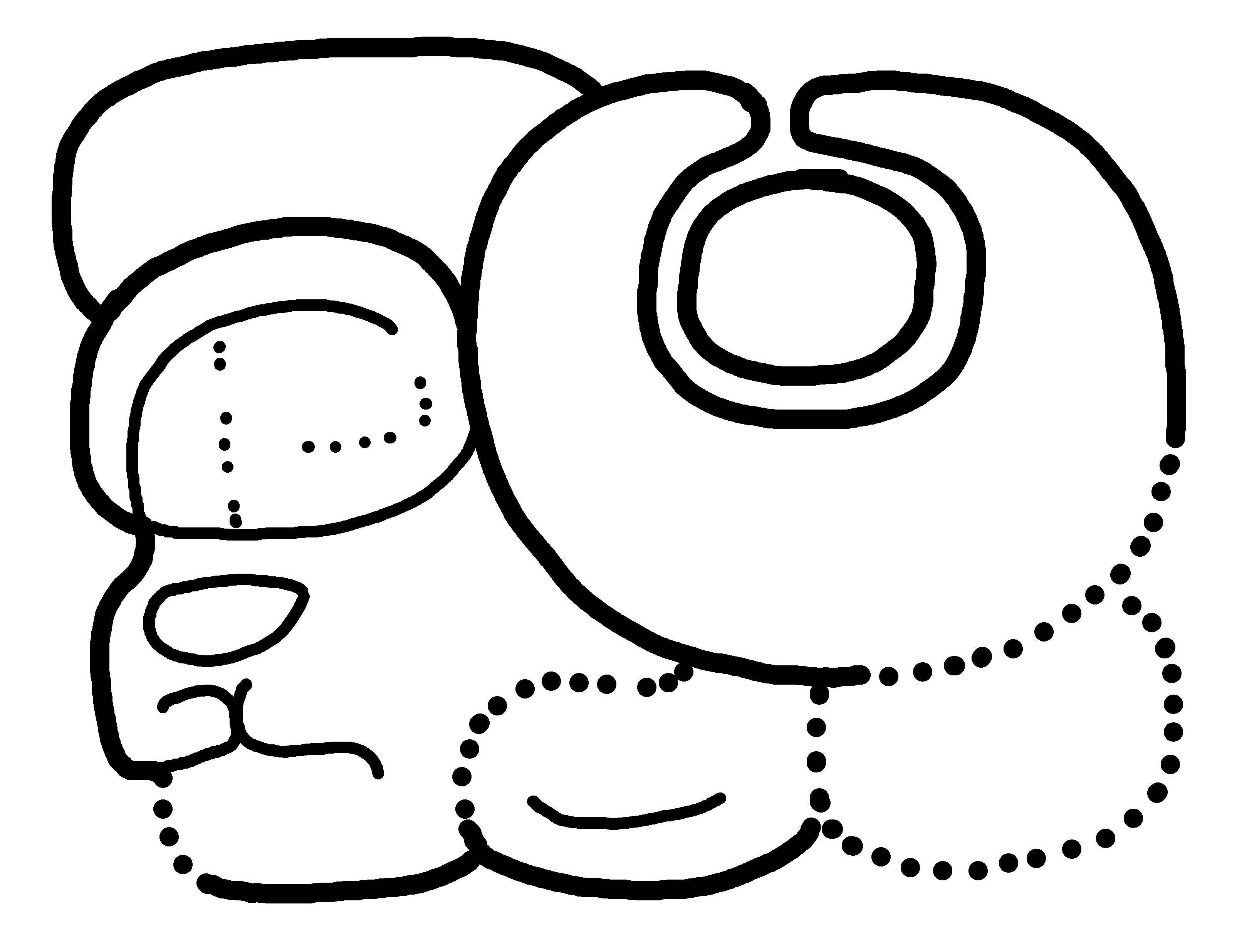
| 3. In Distance Numbers | 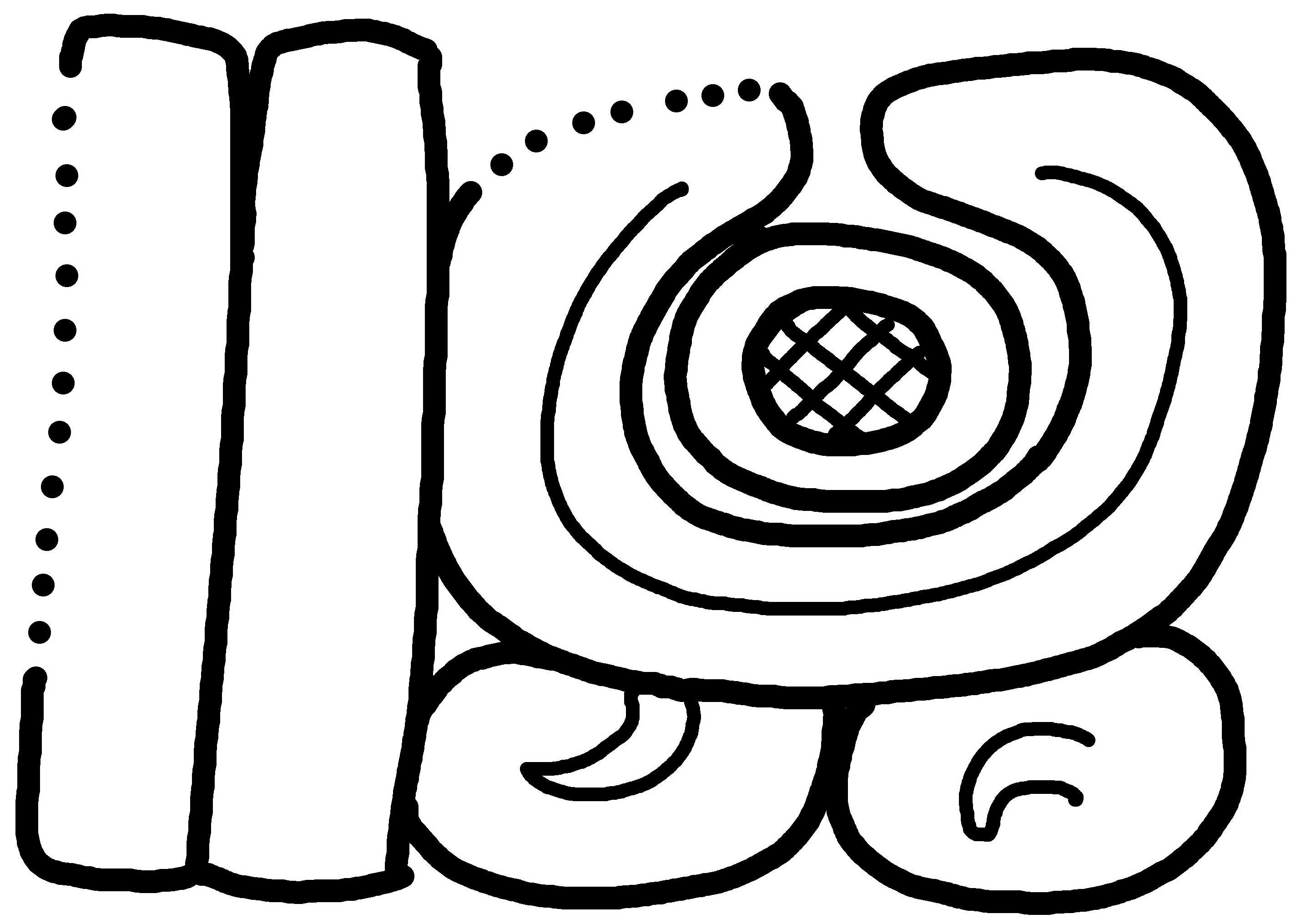 |
 |
| a | b | |
| Figure 4. 1578-wa in day counts as part of Distance Numbers. (a) Balakbal, Stela 5; (b) Tikal, Stela 12. | ||
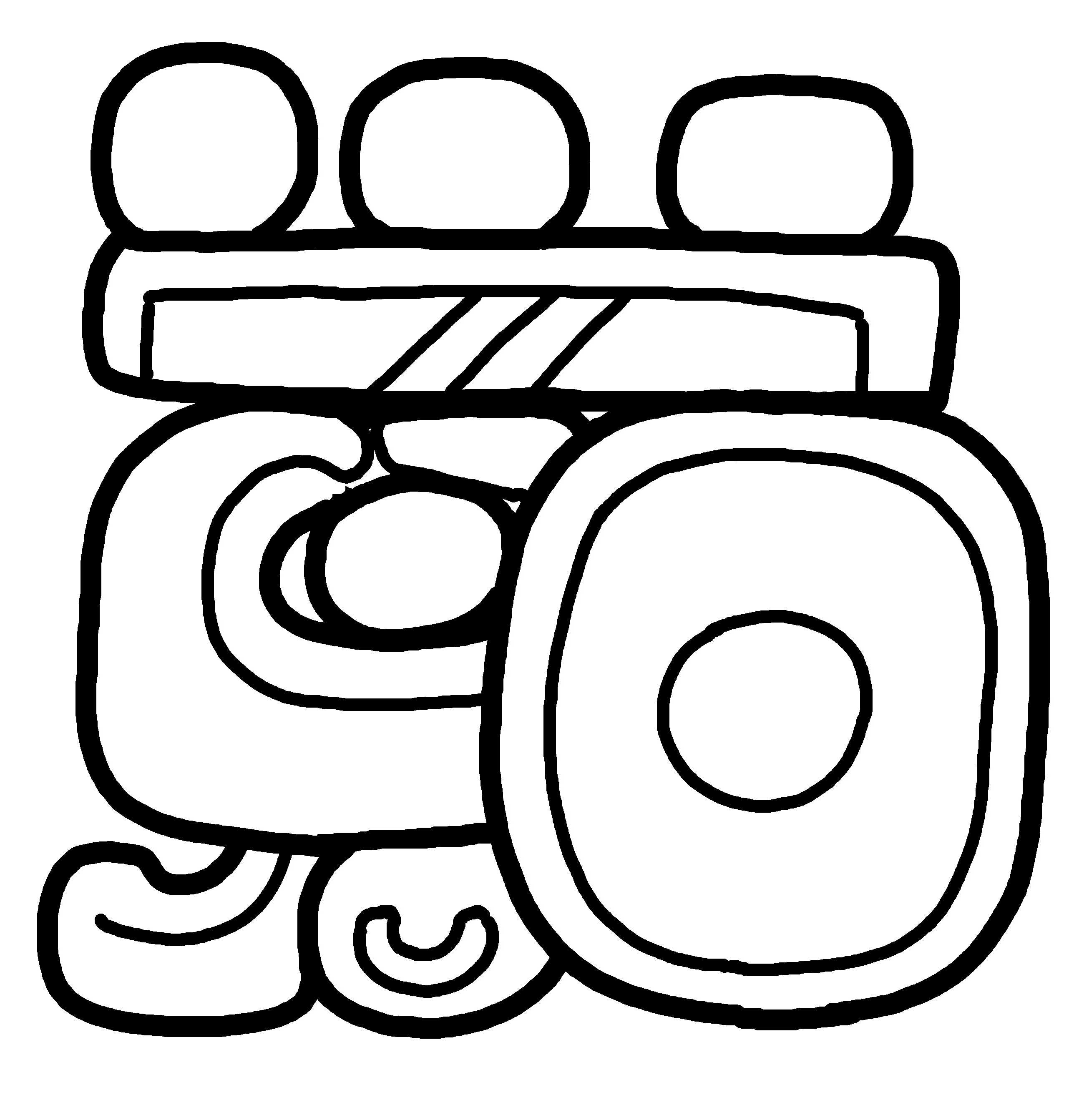
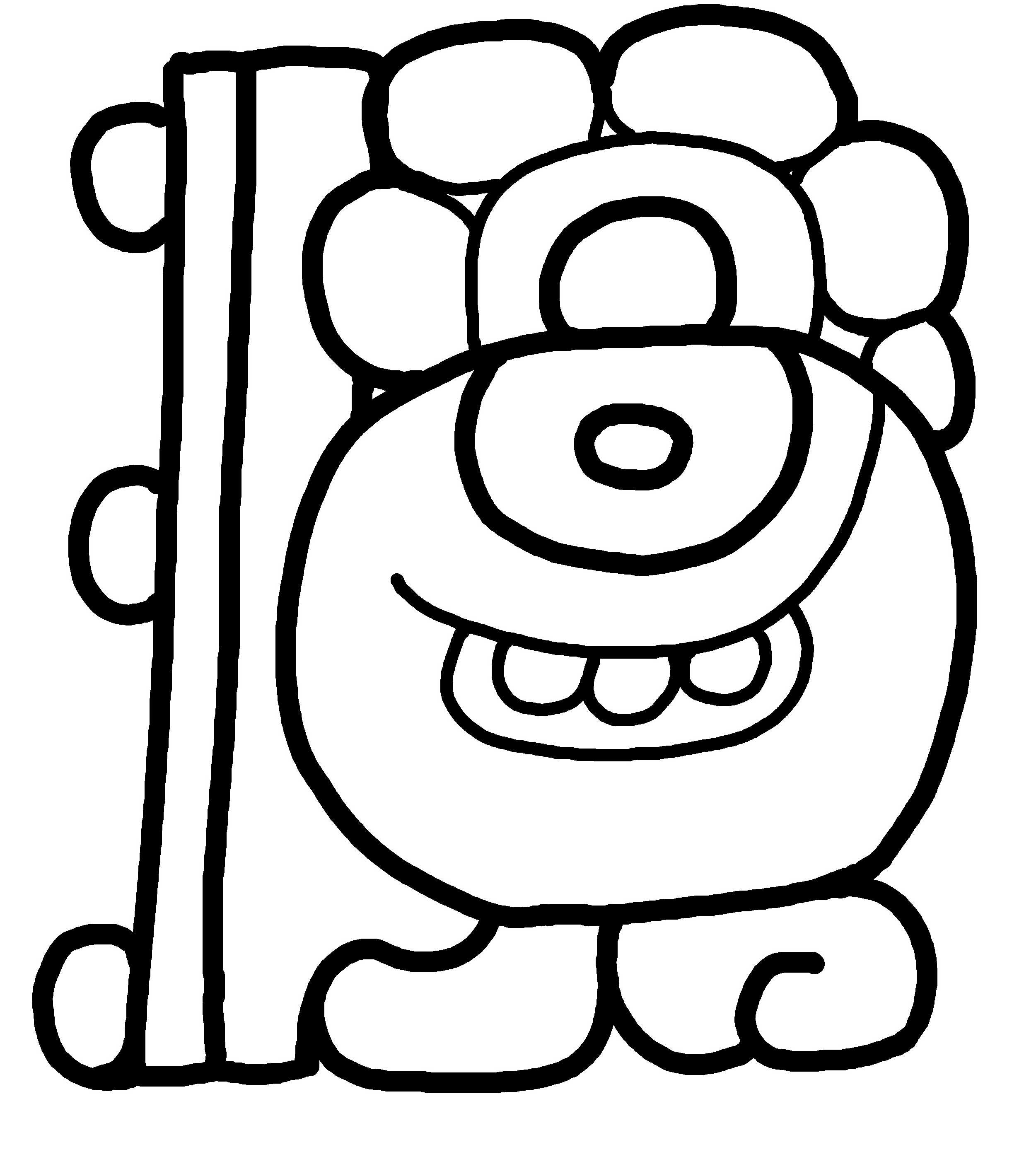
| 4. In the counting of people and objects | 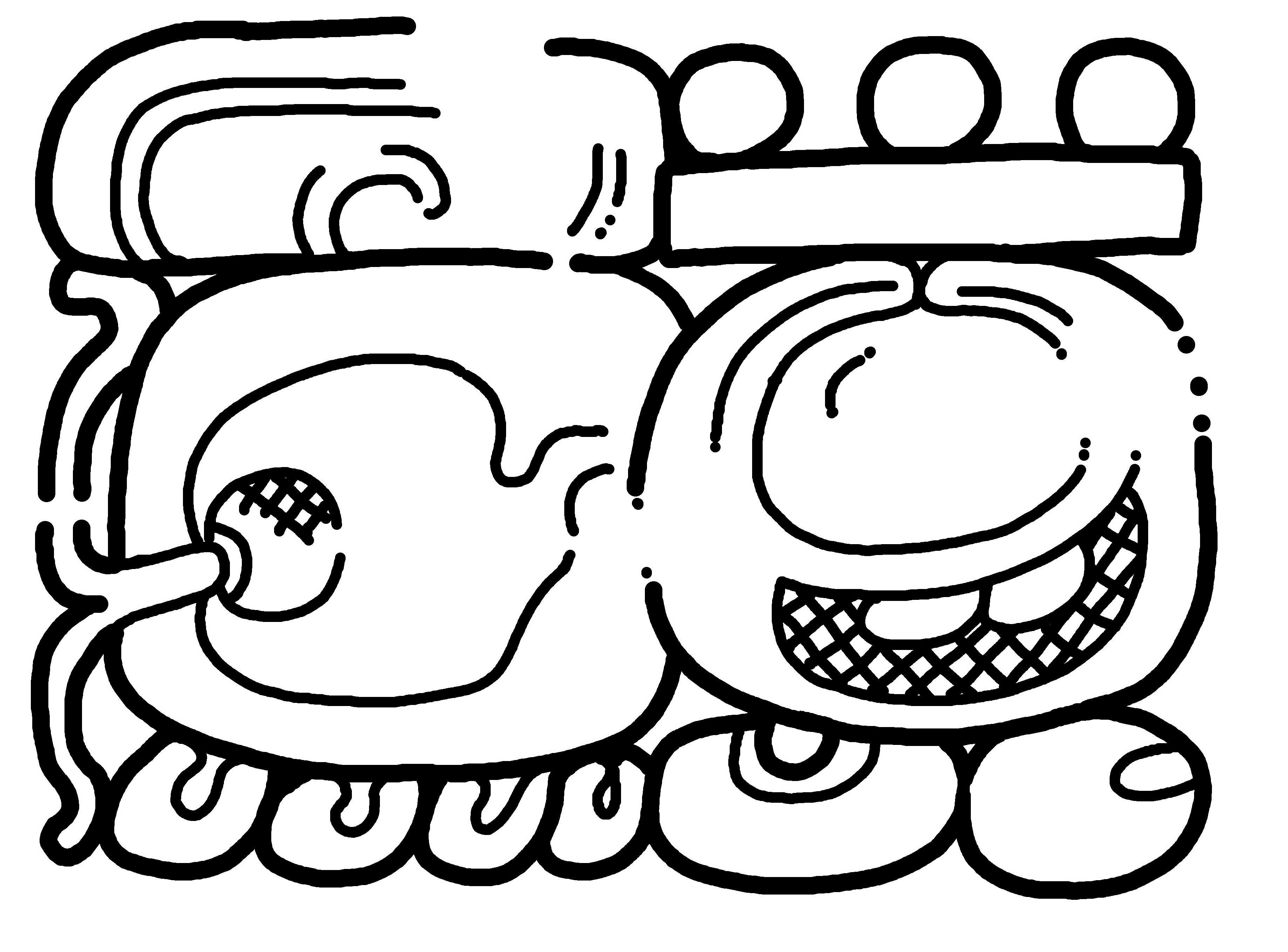 |
 |
 |
| a | b | c | |
| Figure 5. 1578-wa in the count of people and objects. (a) Dos Pilas, Panel 19; (b) Tikal, Stela 31; (c) Nim Li Punit, Stela 15. | |||
| 5. In dynastic counts | 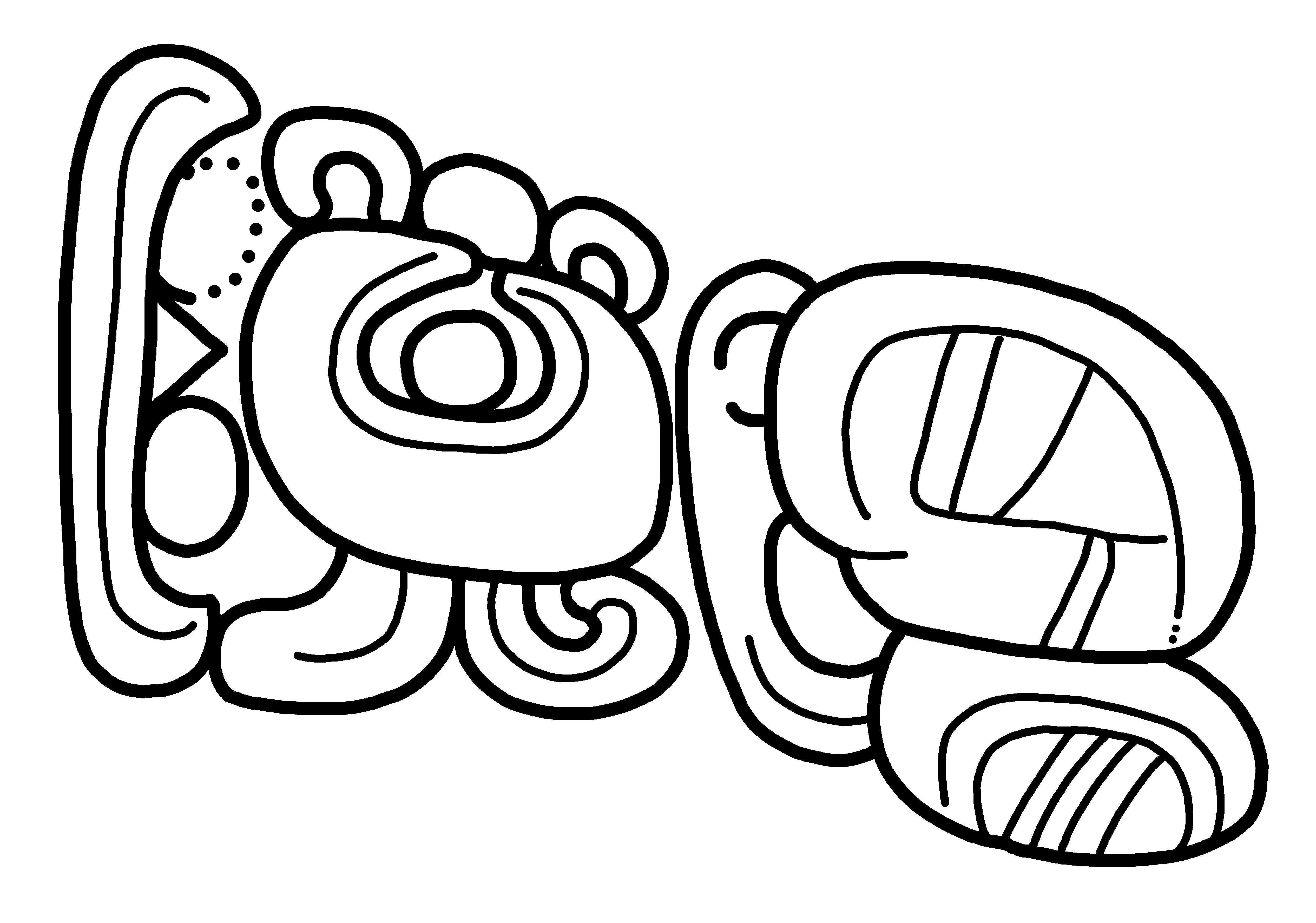 |
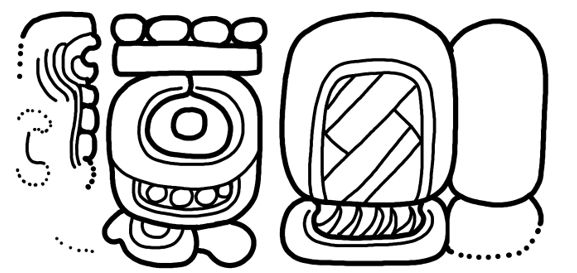 |
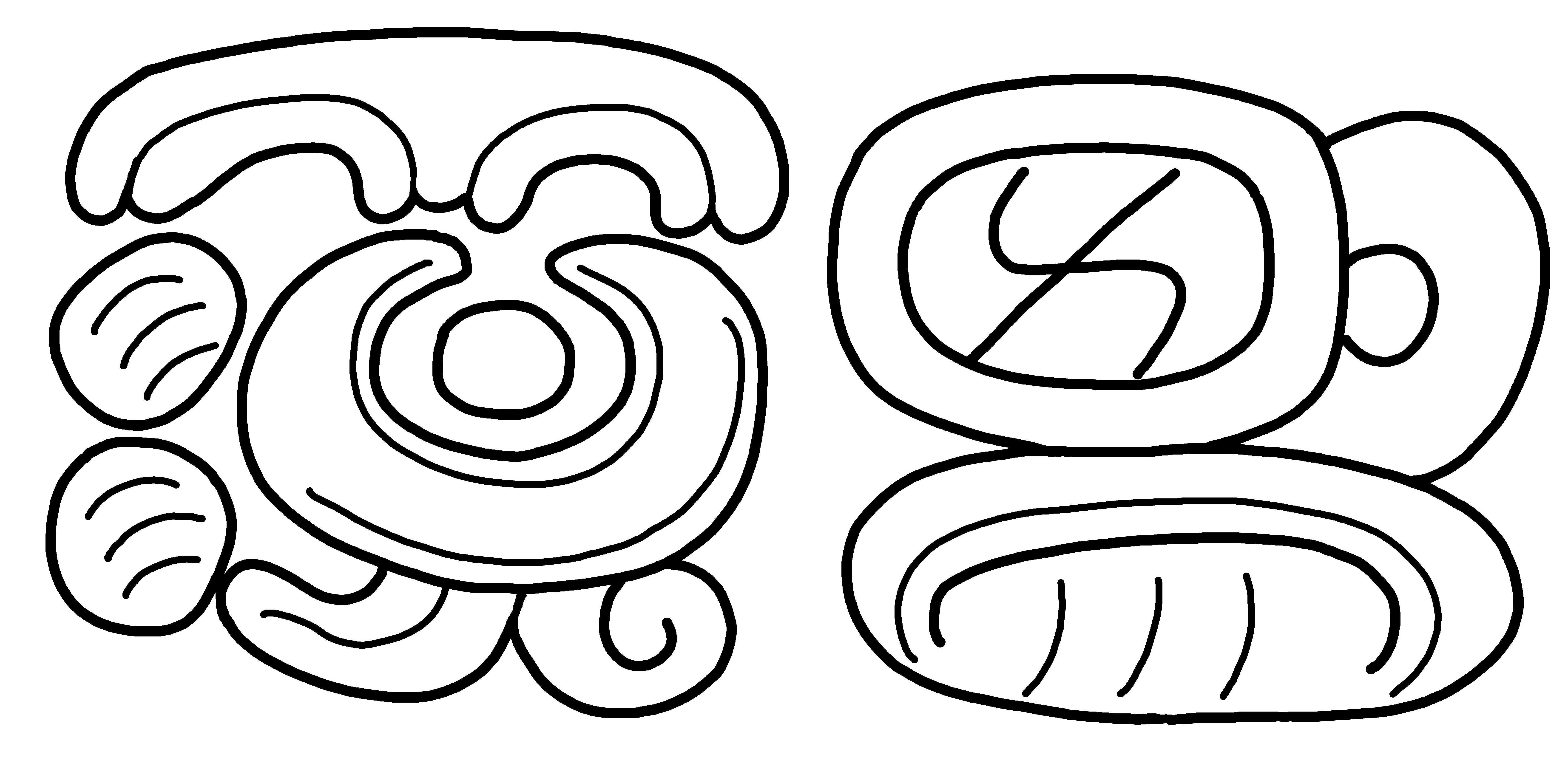 |
| a | b | c | |
| Figure 6. 1578-wa in dynastic counts. (a) Tikal, Stela 17; (b) Tikal, Stela 22; (c) Yaxchilan, Lintel 34 (after Prager and Grothe 2024). | |||
This distribution shows that the sequence 1578-wa was not limited to calendrical contexts but also used in other types of counts. The early example of Glyph D from the Tikal Marcador (Figure 3c) combines Sign 1578 not only with the syllable wa, but also with another sign, vaguely resembling the Latin letter “W,” which has not yet been included in existing sign catalogues. I will come back later to this form of 1578 with an added “W” sign, which represents a particular form of Glyph D of the Lunar Series.
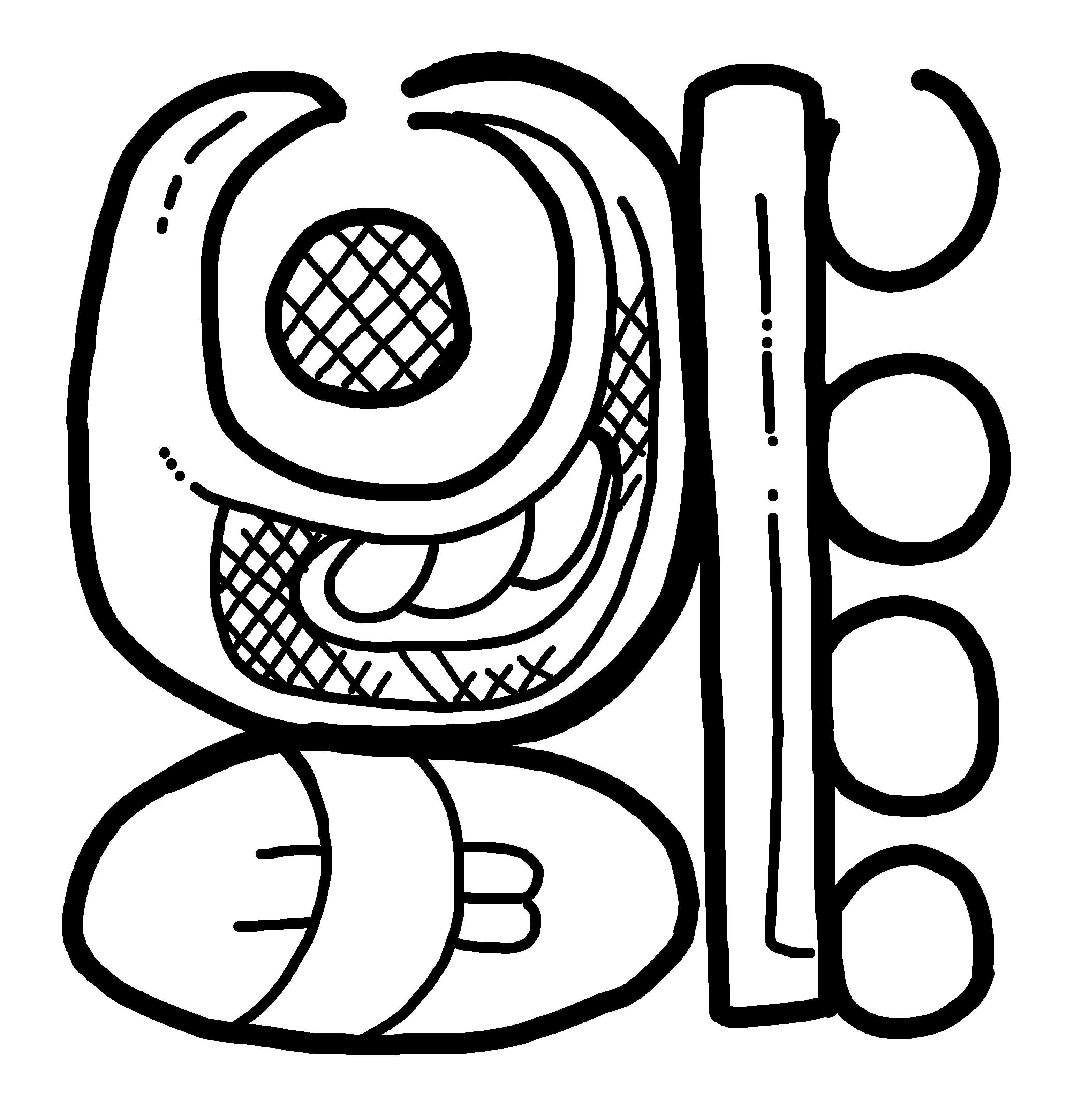
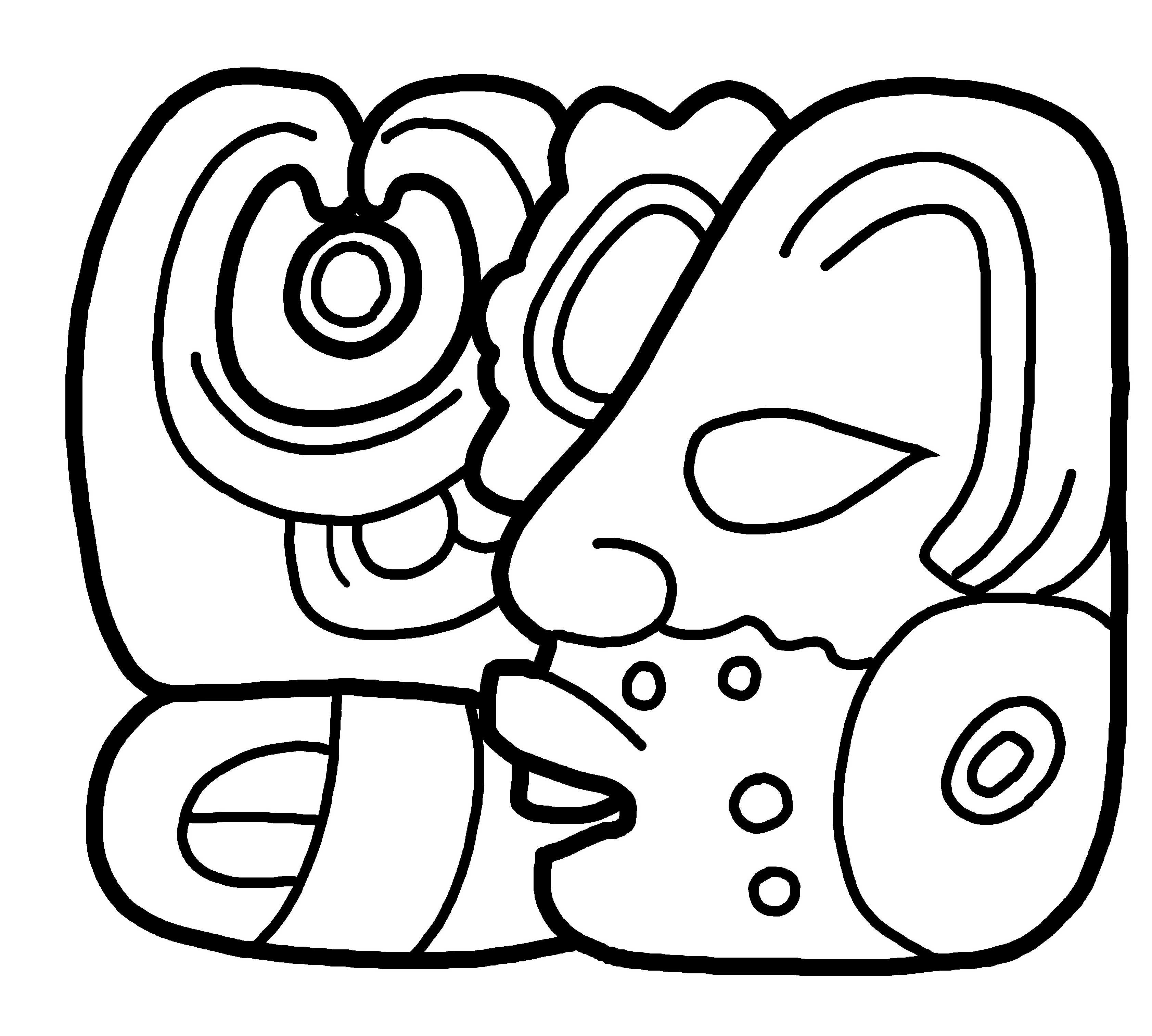
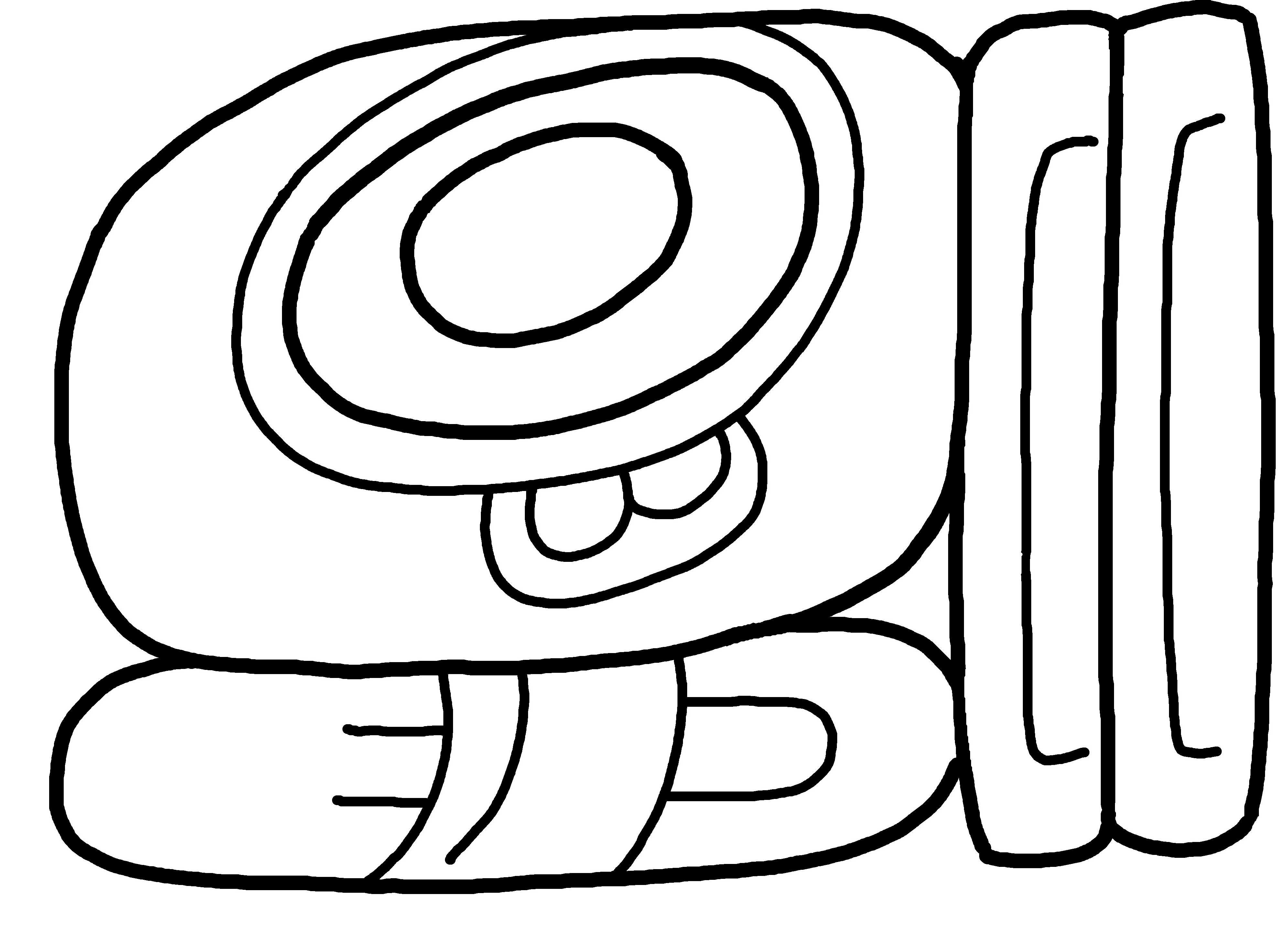
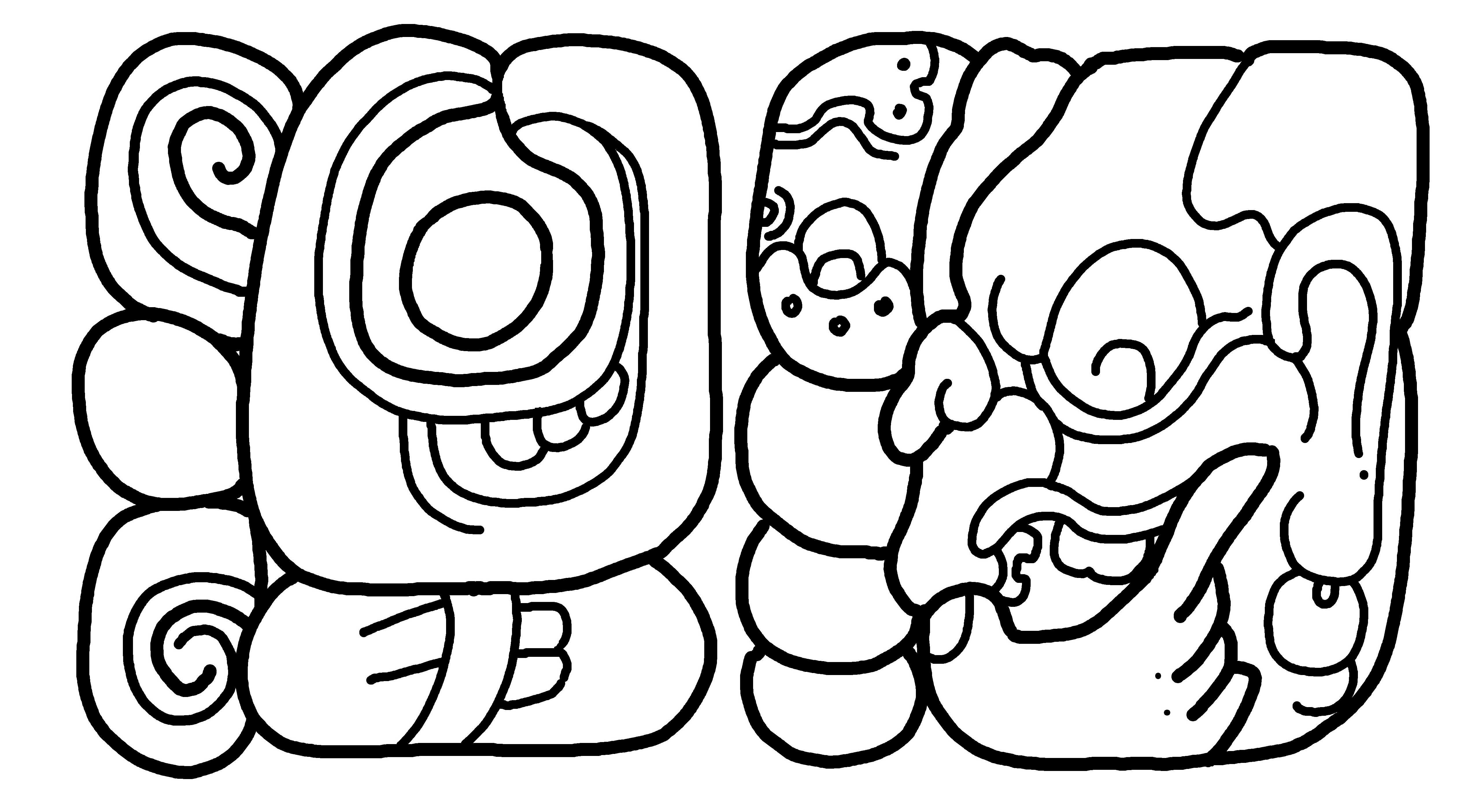
By contrast, the suffix ki, which occurs especially in Late Classic contexts, is highly suggestive of a reading WINAAK (Figure 7). The wa suffix appears primarily—though not exclusively—in Early Classic texts (Tikal, Bejucal, Balakbal, Copan). These two seemingly contradictory patterns of suffixation may suggest that Sign 1578 was polyvalent, or at least that it once was. The earlier reading seems to have been the one suffixed with wa, while the WINAAK reading appears to be an innovation, first attested at Copan (Stela E, Stela 5) and later spreading throughout the lowlands. The question, then, is what the original reading of Sign 1578 might have been.
 |
 |
 |
 |
| a | b | c | d |
| Figure 7. Sign 1578 with ki suffixes, suggesting a WINAAK reading. (a) Palenque, Temple 19; (b) Copan Stela 19; (c) Calakmul, Glyphic Stone from Structure V; (d) Palenque, Temple of the Inscriptions, Middle Panel. | |||
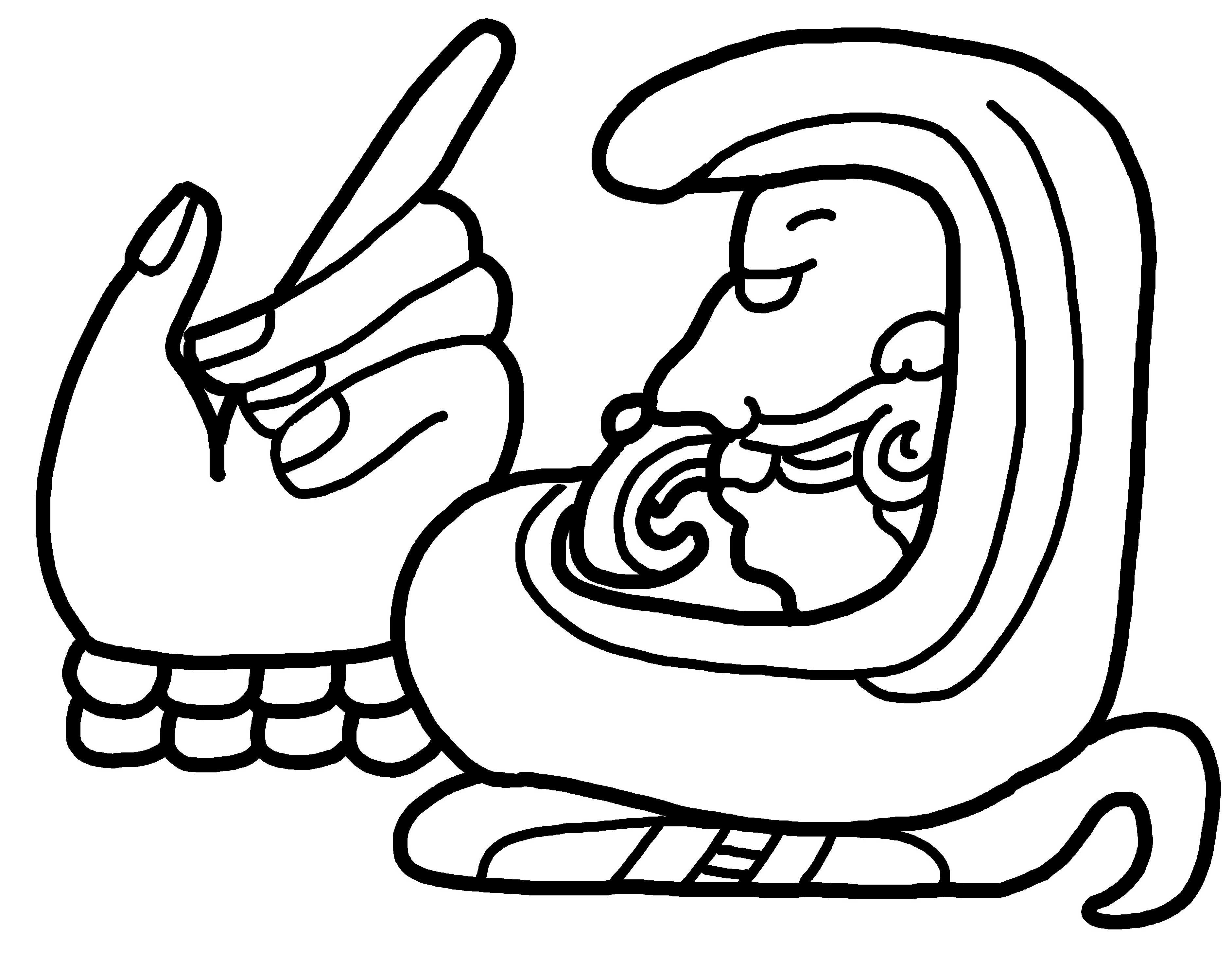
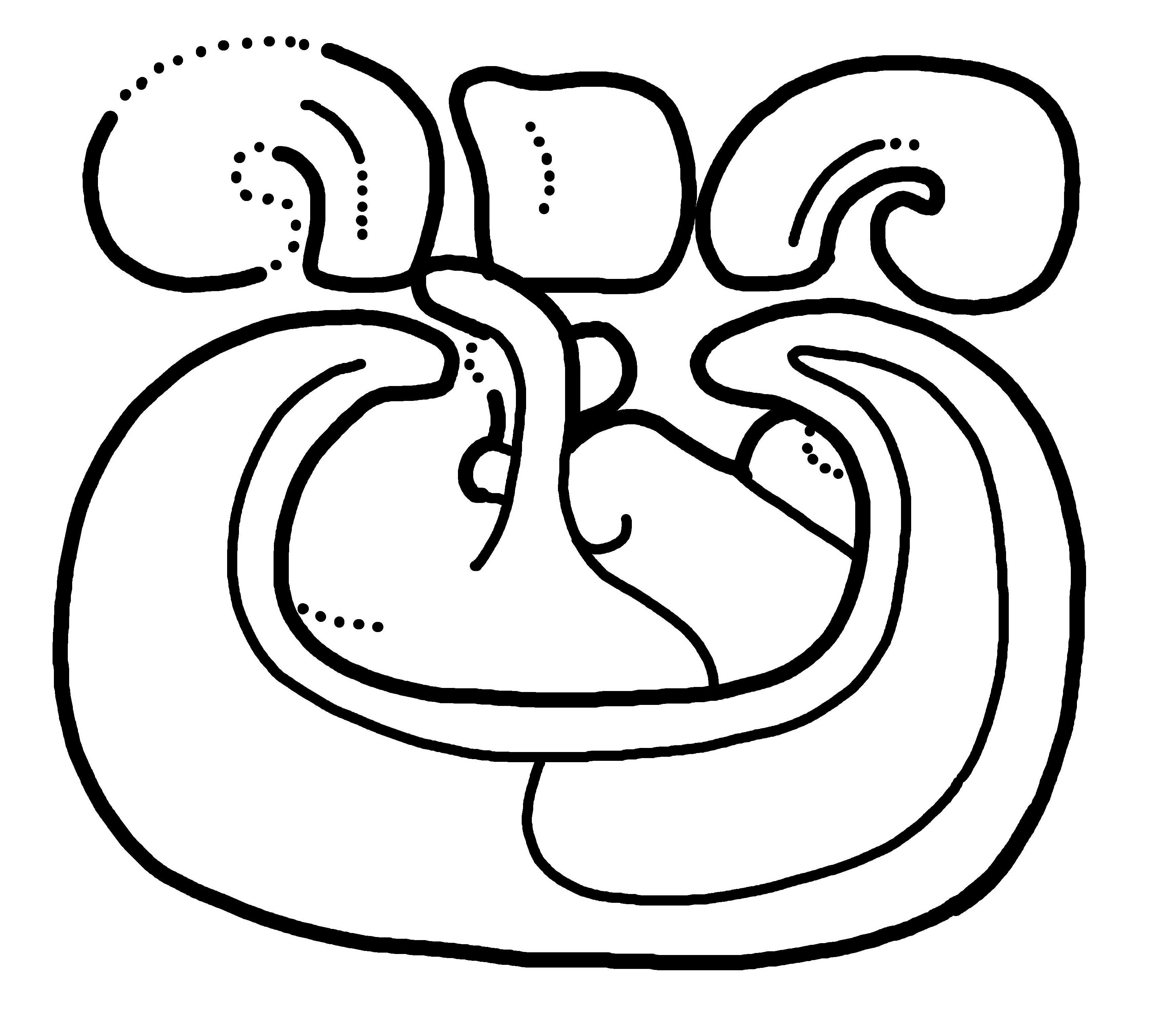
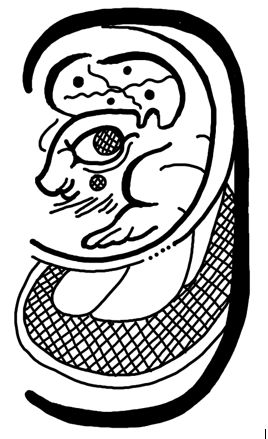
The answer is not straightforward. From an iconographic perspective, the similarity between Sign 1578 and the Moon Sign 181 is striking. The common association of 181 with representations of the Moon Goddess, and the occurrences of the sign in moon-related iconography has always been taken as clear evidence for the identification of 181 with the moon. Very often, a rabbit is placed inside the moon sign, alluding to the widespread idea in Mesoamerica that the image of a rabbit can be identified on the moon (Figure 8). The 181 Moon Sign, however, usually contains three small dots, whereas Sign 1578 has a single large dot. Nevertheless, the two may represent the same sign, with the large dot marking the numeral “one” infixed at the center, instead of being placed in front of the glyph, a suggestion that was already made by Justeson (1984: 351). This would be consistent with usage in many Mayan languages, where the numeral 20 is commonly preceded by jun “one.” However, on the panels from the Temple of the Inscriptions at Palenque, the number twenty is regularly written with a separate dot in front (Figure 7d), suggesting that the dot inside Graph 1578st is not numerical, but an important visual marker to distinguish the graphs of 1578 from 181.
 |
 |
 |
| a | b | c |
| Figure 8. T181 with images of the Moon Goddess and her rabbit. (a) HUL-li, Jade from Calakmul Structure III, Burial 1; (b) ya-ja, Yaxchilan, Lintel 47; (c) syllabogram ja, Palenque, Tablet of the 96 Glyphs. | ||
Although it is impossible to prove that Sign 1578 derives from the Moon Sign 181, it may be significant that in one dialect of Ch’ol, the word for “moon” ends in -w and therefore could provide an explanation for the wa suffix. In Tumbala, the Ch´ol word for “moon” is uw, which is also the term for “month” (Aulie and Aulie 1978: 126). The relationship between the terms for “moon” and “month” is self-evident in calendrical cultures in which the length of a month approximately corresponds to that of a lunation. This is not the case among the Maya, whose months comprised 20 days. Nevertheless, there are indications that the Maya, too, employed the term for “moon” to denote the calendrical period of twenty days. LaFarge and Byers (1931: 148) report that among the Popti‘ of Jacaltenango, the word xajaw “lady” (implicitly referring to the moon) was used for the twenty-day month.
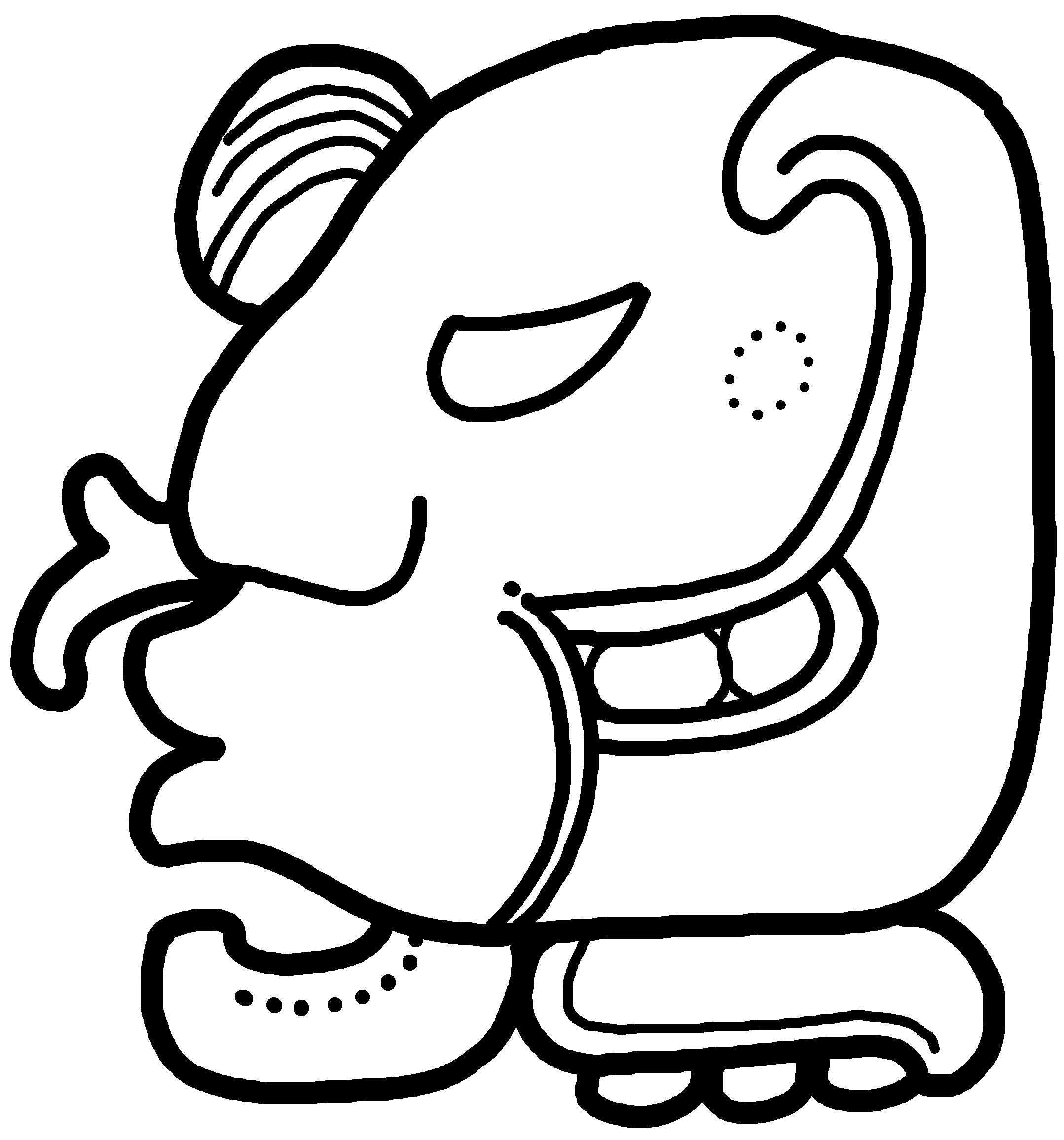
If Sign 1578 had originally represented “moon,” one would have to assume that the form uw survived only in one dialect of Ch’ol. Indeed, there are arguments in favor of a Classic Period word for moon as uw. On Yaxchilan Lintel 23, the portrait head of the Moon Goddess appears with a suffix wi (Zender 2019) (Figure 9), and on Kerr 1485, a polychrome ceramic of unknown origin, the principal female figure carries a name which includes a moon sign and a wa suffix.
 |
|
Figure 9. The Moon Goddess associated with wi suffix, Yaxchilan, Lintel 23. |
However, the relationship between the Sign 1578 for “twenty” and the Moon Sign 181 is not yet clear and still needs further research, also because Sign 181 is not just a logogram for “moon”, but also the syllabogram for ja, which seems to be totally unrelated to the word for “moon”.
To return to the starting point of the discussion: Two explanations may be considered for the presence of the wa suffix beneath the sign for twenty:
- It may represent a complex logogram. The graph 158bv WI‘ “abundance” also carries a wa suffix, which functions only as part of the complex logogram and does not carry syllabic value in this context (Lacadena 1994, 2002).
- It may constitute a logogram expressing a term for “score” or a related concept, whose form would have been of the type CVw. Despite an extensive review of dictionaries, however, no such word has been identified yet.
Although a satisfactory decipherment of 1578-wa remains elusive, the examples presented here demonstrate beyond doubt that Sign 1578 must originally have had a reading other than WINAAK, the value that predominated in the Late Classic and most likely replaced an earlier term.
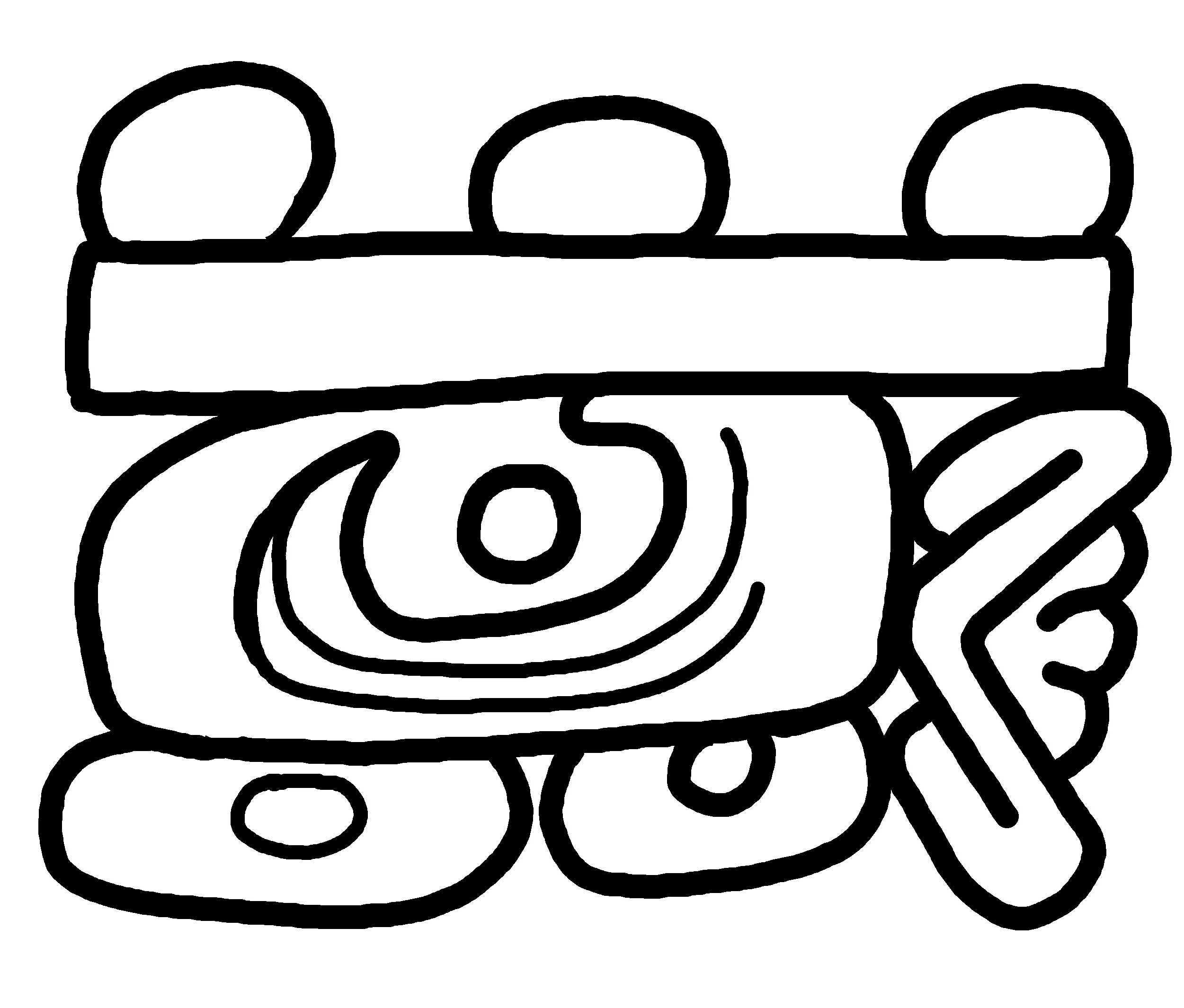
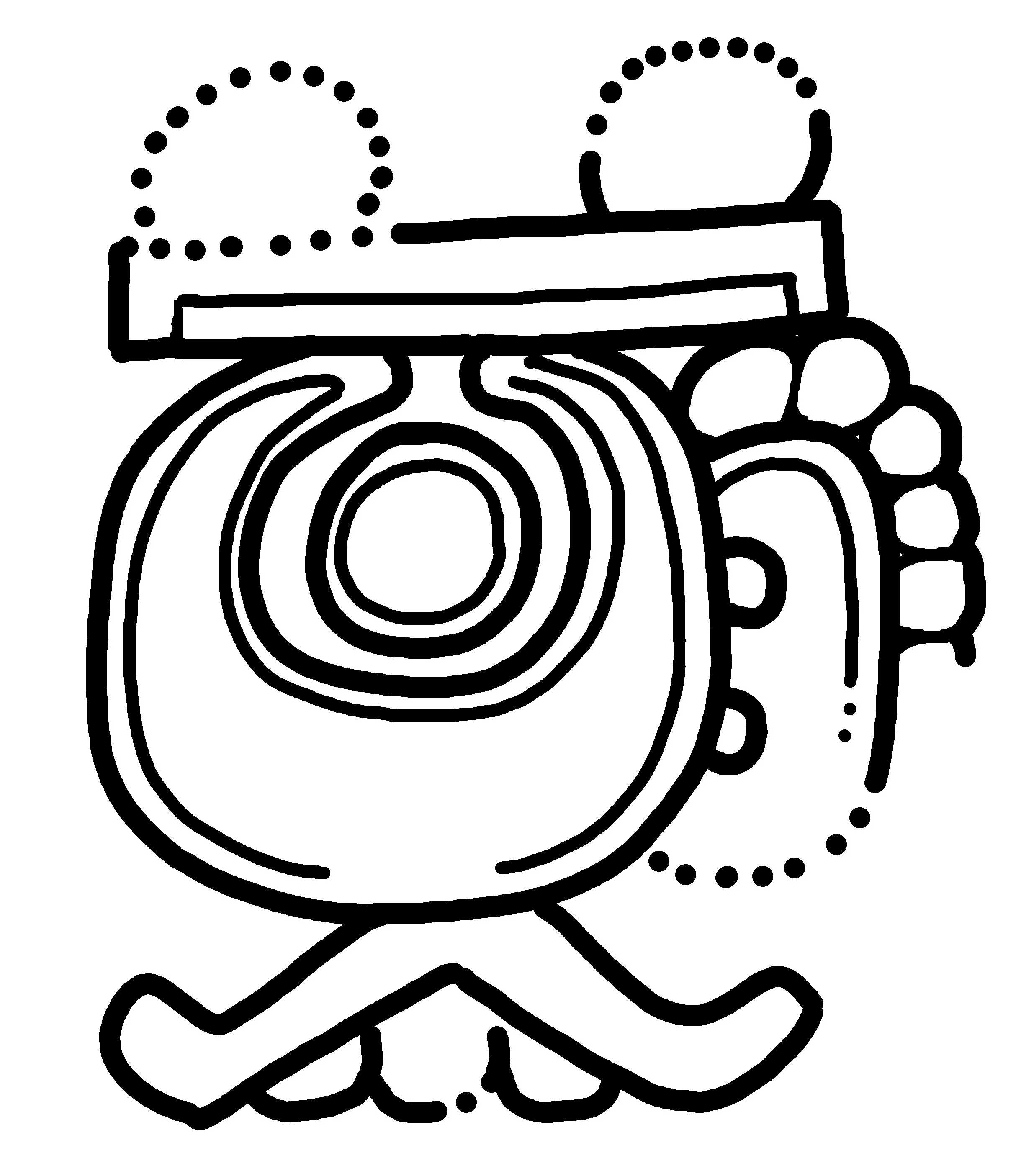
A particularly important form of the Sign 1578 appears in the context of an unusual form of Glyph D on the Marcador from Tikal, combining the sign for twenty not only with the syllable wa, but also with another sign, vaguely resembling the letter “W”. A very similar form of Glyph D, albeit without the wa suffix and with a HUL logogram attached, can be found on Bejucal Stela 2. In both cases, the numbers 8-20 (at Tikal) and 7-20 (at Bejucal) suggest very similar moon ages (Figs. 10a and b).
 |
 |
| a | b |
| Figure 10. Sign 1578 in early Lunar Series with a “seeing” sign attached. (a) Tikal, Marcador; (b) Bejucal, Stela 2. | |
In both cases, the calculated astronomical Moon Ages correspond to periods of moon’s invisibility at new moon[4].The corresponding dates and calculated astronomical Moon Ages are
| Monument | Date | Astronomical Moon Age |
| Tikal, Marcador | 8.17.1.4.12 | 0.00 |
| Bejucal, Stela 2 | 8.17.17.0.0 | 28.76 |
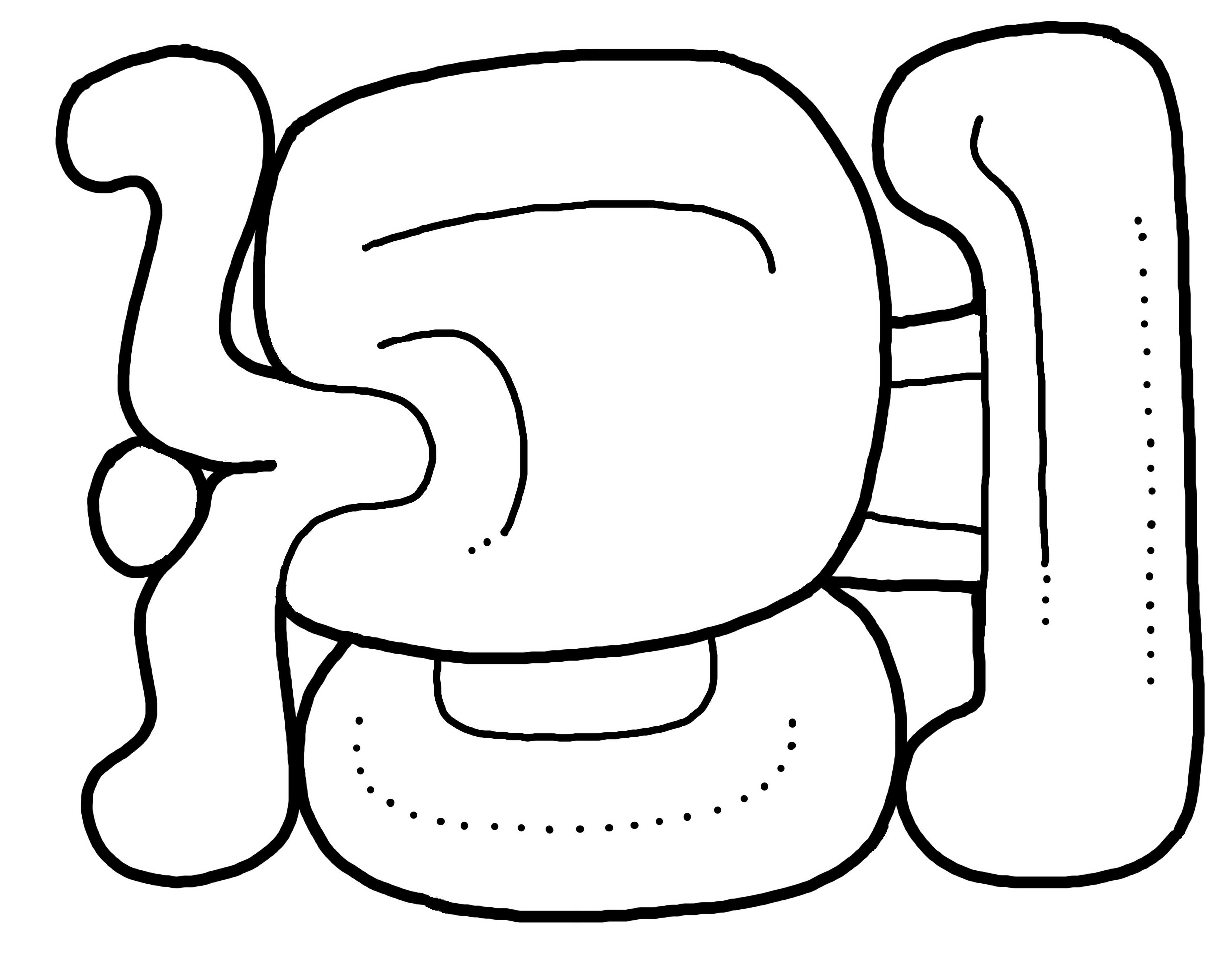
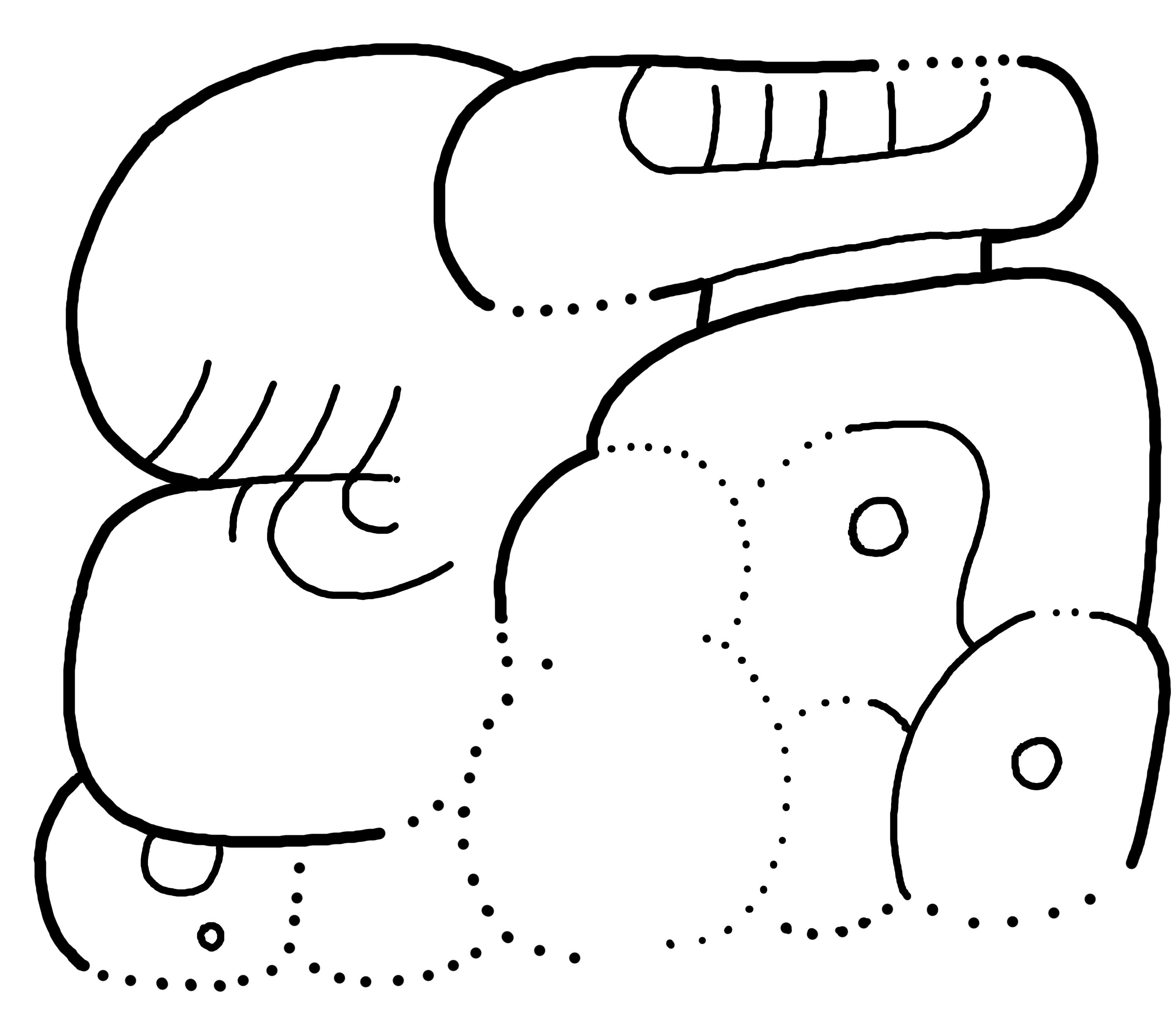
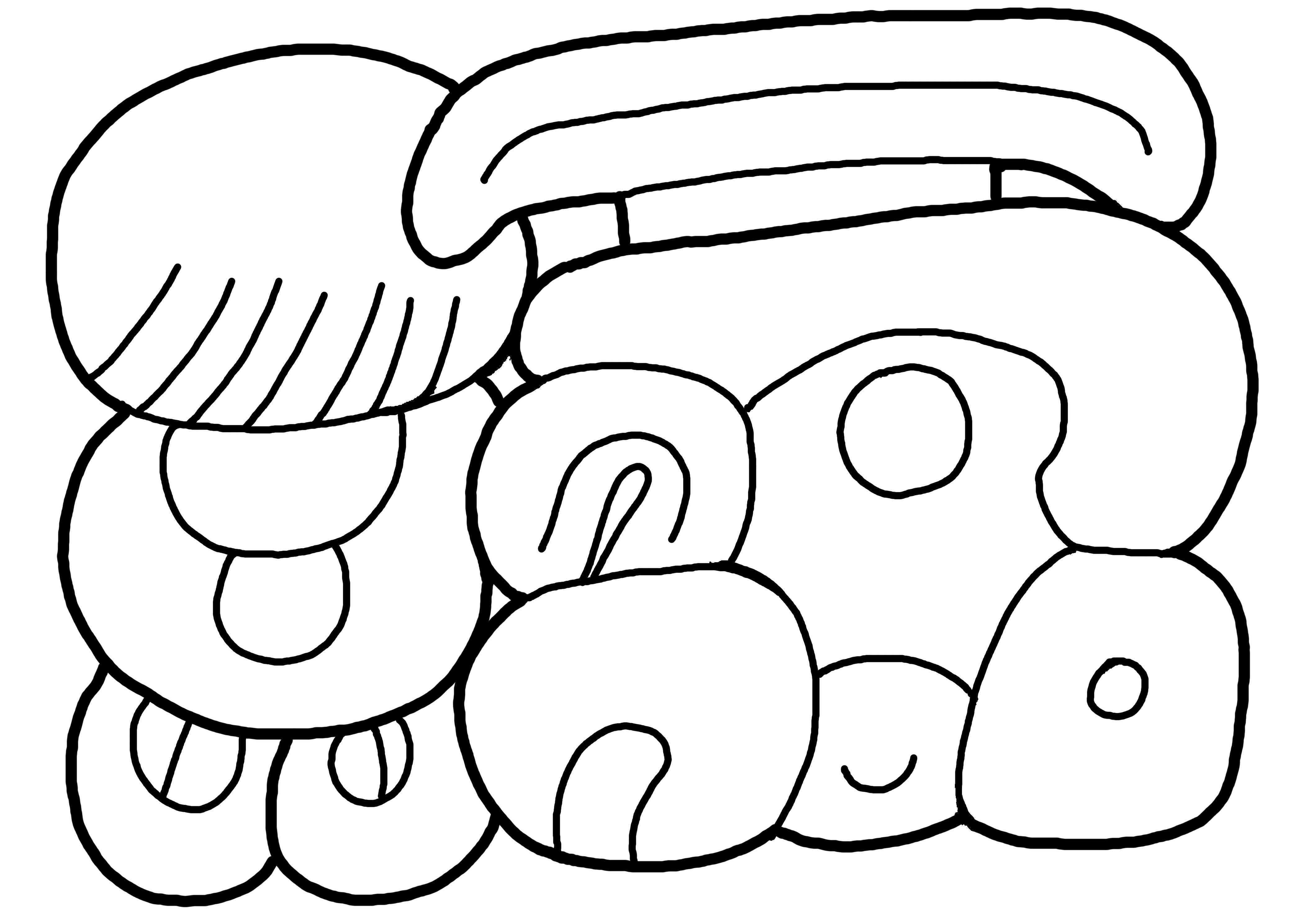
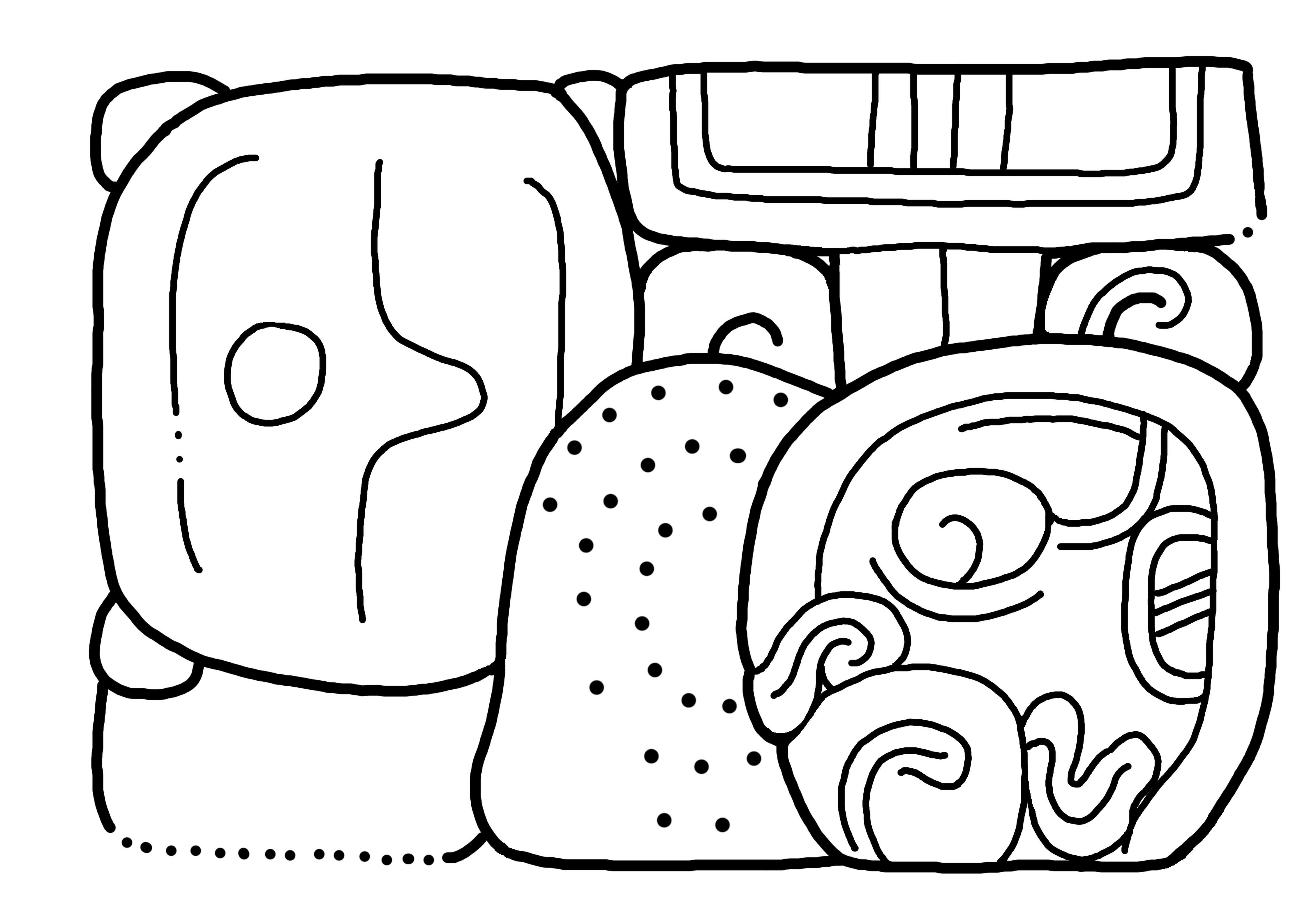
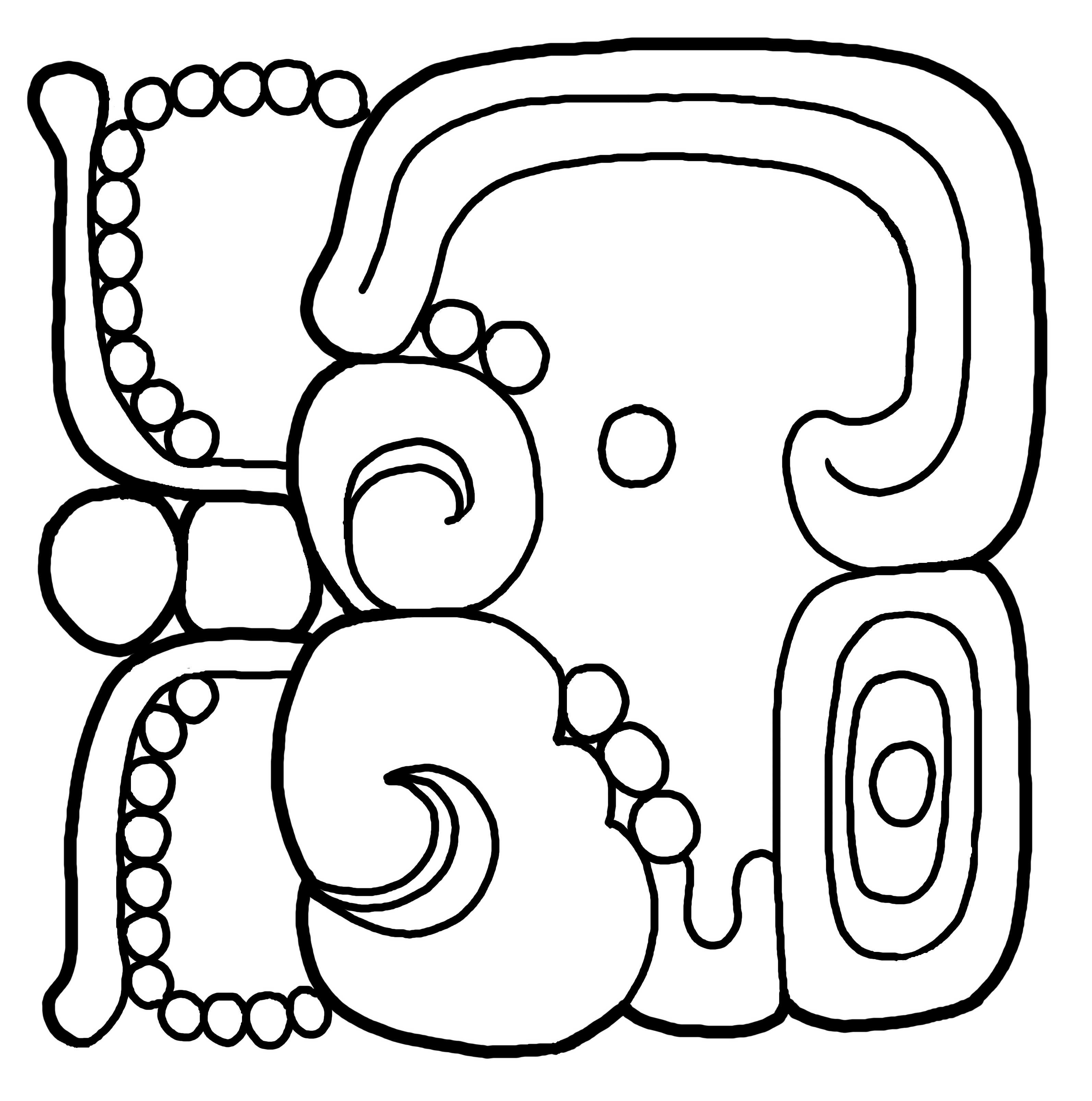
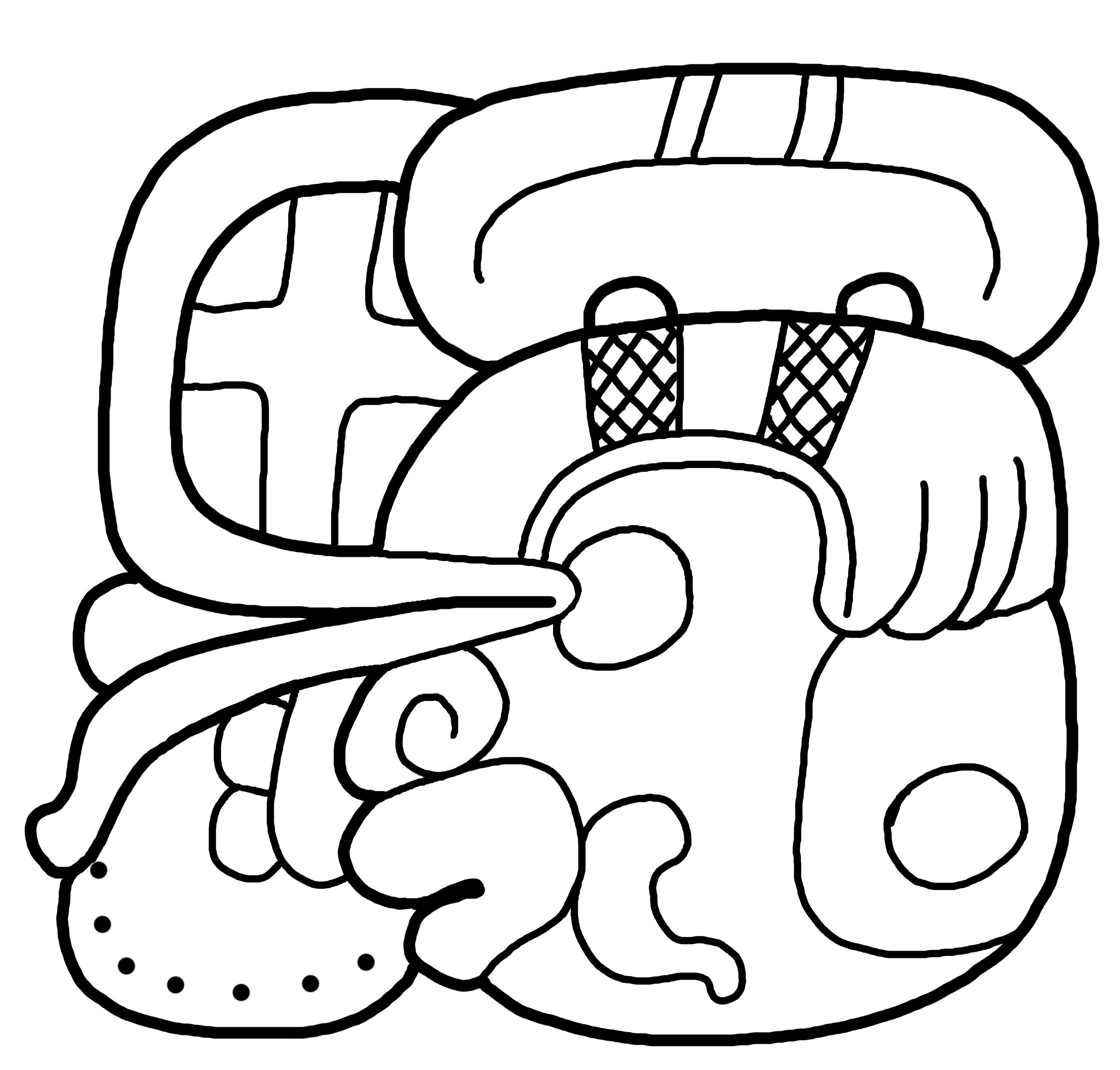
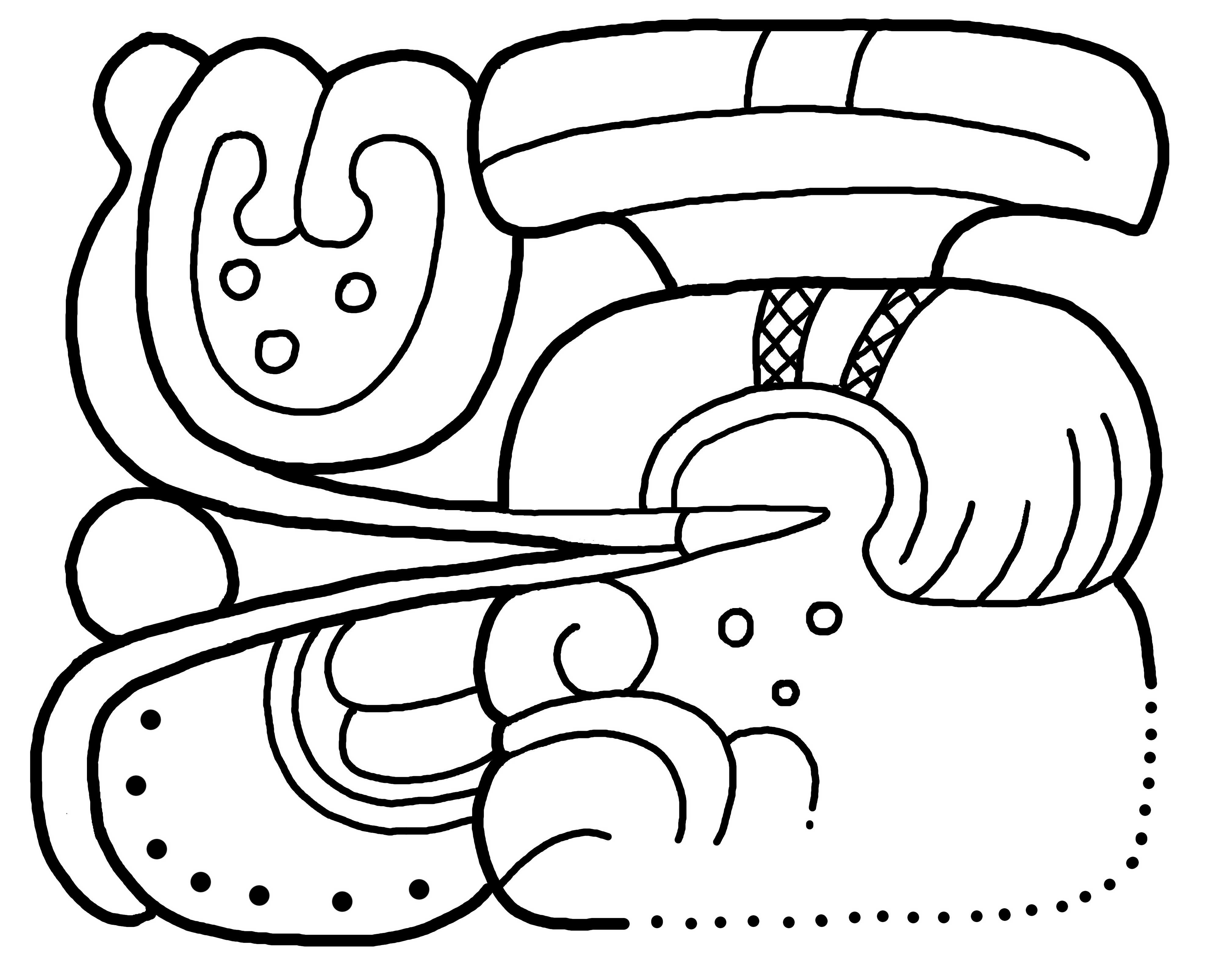
It is very likely that these two Glyph D variants are the Early Classic counterparts to a Glyph D variant first identified by Eric Thompson on Copan Stelae 9 and N (Thompson 1950: 239-240) (Figure 11). This variant consists of the logogram 819 IL “see” in combination with NAAH “house” and K’UH “divinity, supernatural being”. These three components are often conflated so that they sometimes can hardly be separated. The two examples from Uxul have a la complement under the IL sign.
 |
 |
 |
 |
 |
 |
 |
| a | b | c | d | e | f | g |
| Figure 11. A variant of Glyph D associated with the New Moon. (a) Oxpemul, Stela 2; (b) Uxul, Stela 12; (c) Uxul, Stela 13; (d) Copan, Stela 9; e) Copan, Stela N; (f) Palenque, Palace Tablet; (g) Palenque, Palace Tablet. | ||||||
All these forms of Glyph D have in common that they are located at, or are very close to astronomical New Moon:
| Monument | Date | Astronomical Moon Age |
| Copan, Stela 9 | 9.6.10.0.0 | 28.3 |
| Uxul, Stelae 12 and 13 | 9.11.10.0.0 | 0.59 |
| Palenque, Palace Tablet | 9.10.11.17.0 | 28.32 |
| Palenque, Palace Tablet | 9.13.10.6.8 | 29.35 |
| Copan, Stela N | 9.16.10.0.0 | 0.74 |
| Oxpemul, Stela 2 | 9.17.0.0.0 | 0.00 |
The fact that all these dates cluster around new moon dates, no matter whether we apply the 584285 correlation or the Skidmore and Martin 584286 correlation, strongly suggest that this variant of Glyph D is a metaphorical expression for the invisibility of the moon (“dark moon”) during this period. This period can vary according to the ecliptic latitude. In the Maya world, this phase of invisibility can last up to three days, which explains the variation found in regard to the astronomical moon age in the table above.
The reading and interpretation of this Glyph D variant has to consider the three components IL “see”, NAAH “house” and K’UH “god/divinity.” While in most examples the NAAH logogram is written before the K’UH sign, the example from Oxpemul (Figure 11a) suggests an inverse reading order. Probably in the examples from Copan, Palenque, and Uxul, the K’UH sign covers an underlying full form of the NAAH logogram, such as 4va and 4vs. If this is indeed the case, the three elements together would read “seeing the divine house” or “seeing the god house,” suggesting that the darkness of the moon was considered as its residence in a celestial house. We know very little about ancient Maya concepts of the moon and its travels across the sky, but the association of the new moon with a house probably suggests that the Maya believed that the moon would rest in its palace and would start its journey on the day of its first visibility, when the Moon age would have been 1 huliiy. The idea that the moon would rest in a celestial house, or that it would occupy several houses during its travel, is widespread among ancient world cultures (Rochberg 1998).
The two early variants of Glyph D from Tikal and Bejucal simply show a stylized human eye in form of a large W for the "IL" part of the hieroglyph. This is certainly simply an abbreviation of the more elaborated form of this hieroglyph which we see in later texts. The Bejucal Glyph D (Figure 10b) identifies the moon as being 27 days old. If this is counted after moon’s first visibility, which is usually at least one, and sometimes even two days after New Moon, a Moon Age of 27 days would fall into another phase of invisibility again. The same can be said about the 28 days of Tikal’s Marcador (Figure 10a).
Literature Cited
Aulie, H. Wilbur, and Evelyn W. Aulie
1978 Diccionario ch’ol-español, español-ch’ol. Serie de Vocabularios y Diccionarios Indígenas, Mariano Silva y Aceves 21. Instituto Lingüístico de Verano, México, D.F.
Barrera Vásquez, Alfredo (ed.)
1980 Diccionario Maya Cordemex: Maya-Español, Español-Maya. Ediciones Cordemex, Mérida.
Bricker, Victoria
1986 A Grammar of Mayan Hieroglyphs. Middle American Research Institute Publication 56. New Orleans: Tulane University.
Brown, R. McKenna, Judith M. Maxwell, and Walter E. Little
2006 La ütz awäch? Introduction to Kaqchikel Maya Language. University of Texas Press, Austin.
Förstemann, Ernst Wilhelm
1901 Commentar zur Mayahandschrift der Königlichen öffentlichen Bibliothek zu Dresden. Verlag von Richard Bertling, Dresden.
Hull, Kerry
2016 A Dictionary of Ch’orti’ Mayan-Spanish-English. The University of Utah Press, Salt Lake City.
Justeson, John S.
1984 Appendix B: Interpretations of Maya Hieroglyphs. In Phoneticism in Mayan Hieroglyphic Writing, edited by John S. Justeson and Lyle Campbell, 315-362. Publication 9. Institute for Mesoamerican Studies, State University of New York, Albany.
Kaufman, Terrence S.
2003 A Preliminary Mayan Etymological Dictionary. University of Chicago, Chicago.
Kaufman, Terrence S., and William M. Norman
1984 An Outline of Proto-Cholan Phonology, Morphology, and Vocabulary. In Phoneticism in Mayan Hieroglyphic Writing, edited by John S. Justeson and Lyle Campbell, 77-166. Publication 9. Institute for Mesoamerican Studies, State University of New York, Albany.
Lacadena García-Gallo, Alfonso
1994 Propuesta para la lectura del signo T158. Mayab 9: 62-65.
2002 Nuevas evidencias para la lectura de T158. Mayab 15: 41-47.
LaFarge, Oliver and Douglas Byers
1931 The Year Bearer’s People. Middle American Research Institute, Tulane University, Pub. 3. New Orleans.
LeFort, Genevieve, and Robert Wald
1995 Large Numbers on Naranjo Stela 32. Mexicon 17: 112-114.
Martin, Simon, and Joel Skidmore.
2012 Exploring the 584286 Correlation between Maya and European Calendars. The PARI Journal 13(2):3-16.
Prager, Christian, and Sven Gronemeyer
2018 Neue Ergebnisse in der Erforschung der Graphemik und Graphetik des Klassischen Maya. In Ägyptologische “Binsen”-Weisheiten III: Formen und Funktionen von Zeichenliste und Paläographie. [Akademie der Wissenschaften und der Literatur, Abhandlungen der Geistes- und sozialwissenschaftlichen Klasse 15], edited by Svenja A. Gülden, Kyra V. J. van der Moezel, and Ursula Verhoeven-van Elsbergen, 135–181. Franz Steiner Verlag, Stuttgart.
Prager, Christian, Elisabeth Wagner, Guido Krempel, Tobias Mercer, and Nikolai Grube
2025 A Digital Catalog of Maya Hieroglyphs. Textdatenbank und Wörterbuch des Klassischen Maya, Working Paper 5. DOI: http://dx.doi.org/10.20376/IDIOM-23665556.25.wp005.de
Prager, Christian, and Antje Grothe
2024 From Fragments to Clarity: Reconstructing The Hieroglyphic Narrative of Lintel 34 from Yaxchilan (Chiapas, Mexico). Textdatenbank und Wörterbuch des Klassischen Maya Research Note 30. https://classicmayan.org/portal/doc/240
Rochberg, Francesca
1998 Babylonian Horoscopes. Transactions of the American Philosophical Society. 88 (1).
Stuart, David
2012 The Varieties of Ancient Maya Numeration and Value. In The Construction of Value in the Ancient World, ed. by J. Papadopolous and G. Urton. Cotsen Institute of Archaeology, UCLA, Los Angeles.
Teeple, John E.
1925 Maya inscriptions: Glyphs C, D, and E of the Supplementary Series. American Anthropologist 27 (1): 108-115.
Thomas, Cyrus
1888 Aids to the Study of the Maya Codices. In Smithsonian Institution: Sixth Annual Report of the Bureau of Ethnology to the Secretary of the Smithsonian Institution 1884-1885 by J. W. Powell, pp. 253-371. Washington D.C., Government Printing Office.
Thompson, John Eric S.
1950 Maya Hieroglyphic Writing: An Introduction. Publication 589. Carnegie Institution of Washington, Washington, D.C.
1962 A Catalog of Maya Hieroglyphs. University of Oklahoma Press, Norman, OK.
Zender, Marc
2019 Revisiting Three Classic Maya Portrait Glyphs. Paper presented at the 9th Annual Maya at the Lago Conference, Apr 26th, 2019. https://www.academia.edu/39331388/Revisiting_Three_Classic_Maya_Portrait_Glyphs
Zimmermann, Günter
1956 Die Hieroglyphen der Maya-Handschriften. Abhandlungen aus dem Gebiet der Auslandskunde, Reihe B: Völkerkunde, Kunstgeschichte und Sprachen 62. Cram, de Gruyter, Hamburg.
- As part of our work on a new catalog of Maya signs and their graphs, we have been evaluating and revising Thompson’s Catalog of Maya Hieroglyphs (1962). We are critically scrutinizing his system with the help of his original grey cards and supplementing it with signs that were not included in Thompson’s original catalog. Despite its known shortcomings and incompleteness, his catalog is still regarded as the standard work for Maya epigraphers, which is why we adopt Thompson’s nomenclature while removing misclassifications and duplicates, merging graph variants under a common nomenclature, and adding new signs or allographs to the sign index in sequence, starting with the number T1500. Allographs are also further organized with the help of newly defined classification and systematization criteria, which we described in detail in Prager and Gronemeyer (2018). In the transliteration of Maya hieroglyphic script, bold typeface is employed, with uppercase letters representing LOGOGRAPHIC signs and lowercase letters denoting syllabic signs. To accurately describe the spatial arrangement of glyphs within a hieroglyphic block, the notation system established by Günter Zimmermann (1956) and Eric Thompson (1962) is utilized. This convention, also adopted by the Project Text Database and Dictionary of Classic Mayan, specifies that adjacent glyphs are separated by a period (.), vertically stacked glyphs by a colon (:), and distinct segments comprising groups of glyphs within the hieroglyphic block are enclosed in square brackets [ ]. When a glyph is embedded within another, it is indicated by a degree symbol (°) (cf. Zimmermann 1956), whereas the fusion of two glyphs is denoted by a plus sign (+) (cf. Iglesia et al. 2021). T-numbers in the transliterations denote undeciphered signs and reference Thompson's Catalog of Maya Hieroglyphs.
- Victoria Bricker also mentions an example of the sign on page 61a in the Dresden Codex, where, in addition to the ki suffix, it also has a na syllabogram as a suffix, which could provide the -naak ending of winaak (Bricker 1986: 101). Although this is a very suggestive complementation, the general context of the hieroglyph within the Serpent Number pages unfortunately remains opaque.
- All drawings in this note, unless otherwise noted, are by Nikolai Grube and are available under the Creative Commons CC-BY 4.0 license.
- The calculations of the astronomical moon age are based on the 584285 correlation and were carried out using “Maya Calendar Calculations” (https://classicmayan.org/calendar-calculations/.